Traveling With Crohn’s: A Practical Packing and Planning Guide
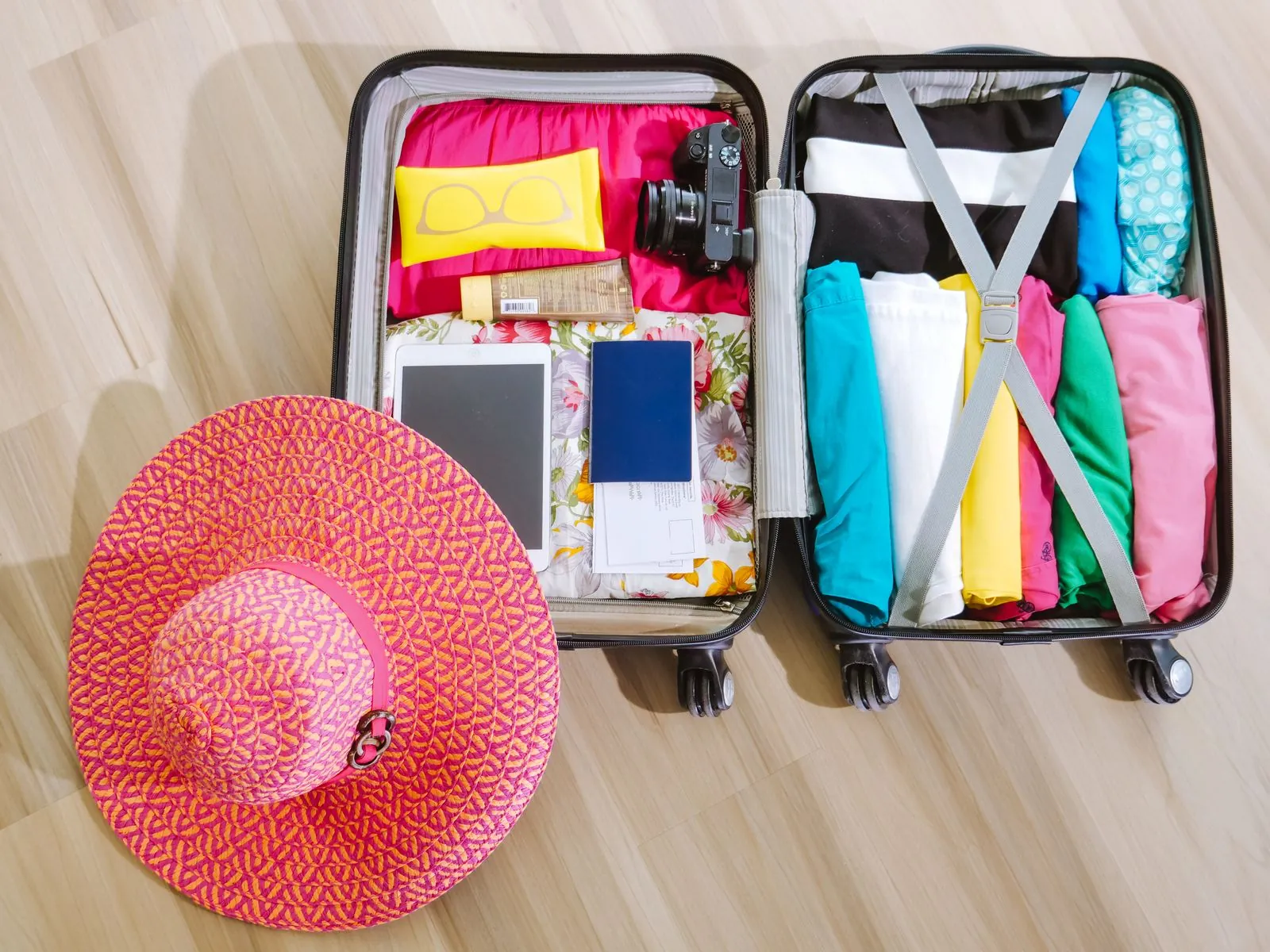
Travel with Crohn’s takes more planning than travel without it. That is just the truth. Think of it like packing for a camping trip: nobody wants to discover at the campsite that the tent is still in the garage. The good news is that the planning is concrete, and most of it is a checklist you can finish before you leave home.
I am not a doctor, and this is not medical advice. I put this guide together from the Crohn’s & Colitis Foundation, the TSA, and published research (links at the bottom). Your care team knows your disease, so use this as a list of questions and things to pack, not as instructions.
Before you book
- Think about timing. Many people feel safest traveling when their Crohn’s is stable. Ask your care team whether now is a good time, especially for a long or far-away trip.
- Think about the destination. New food, a different climate, altitude, and a disrupted routine can all stir things up for some people. Know your own triggers.
- Check your insurance. See what your health plan covers away from home. For a trip abroad, ask about travel insurance and read what it says about pre-existing conditions before you buy.
Call your care team first
Do this a few weeks ahead, not the night before. Ask about:
- A written flare plan: what to do, and who to call, if symptoms start while you are away.
- Your medications: how to store them, and whether any need to stay cold.
- Anti-diarrheal medicine: whether it is safe for you. It is not safe for everyone with Crohn’s, particularly during a flare, so do not pack it, or use it, on a guess.
- A letter: a typed, signed note from your doctor listing your diagnosis, medications and supplies. It helps at security and in an emergency. The Foundation recommends one, especially if you use injectables.
- Vaccines, if you are leaving the country. A travel clinic visit about 6 to 8 weeks ahead is the usual advice.
- Blood clots: people with IBD have a higher risk of clots, and long trips add to that. Ask whether you should do anything special, like compression stockings, for the trip.
The packing list
Carry-on, always, never in a checked bag
- All medications in their original labeled containers
- More than you think you need. Flights run late, and your gut does not care about the airline’s schedule
- A copy of your prescriptions, with the generic names
- Your doctor’s letter and flare plan
- A cooler pack if a medication must stay cold. The manufacturer may offer a travel pack, but check how long it stays cold
- Ostomy supplies, if you use them, and extra of everything
Emergency kit, within arm’s reach
- Toilet paper or wipes, and disposable gloves
- A full change of clothes, and a bag for the dirty ones
- Barrier cream or ointment for sore skin
- Small hand sanitizer
- Your insurance card, and the phone number for your care team
Snacks you already know are safe
Plain crackers, bananas, applesauce, oatmeal packets, boiled eggs, or a simple lean-protein sandwich. Pick what works for you, because a safe food list is personal. Airport food is a gamble, and a gut with Crohn’s is not a good place to play slots. Bring your own.
Comfort
Soft clothes with an elastic waist. Tight waistbands are miserable on a bad day.
Getting through airport security
Security is stressful for many people. Knowing the rules takes some of the dread away, a bit like reading the rules before the game starts instead of during it. These come straight from the TSA.
- Medications and liquids: medically necessary liquids over 3.4 ounces are allowed in a reasonable amount for your trip. Tell the officer at the start, and put them in a separate bin. They don’t need a zip-top bag. They may be screened further, or you may be asked to open a container. Labels help.
- Needles and injectable pens: they are allowed in carry-on with the medication they go with. Keeping them in the original packaging, with your prescription label visible, makes it smooth.
- Ostomy bag: tell the officer where it is before screening starts. You can be screened without removing or showing it. If extra screening is needed, you may be asked to pat down the device yourself over your clothes, then have your hands tested.
- Private screening: it is always available if you ask. You can also ask for a supervisor or a Passenger Support Specialist.
- TSA Cares: call 1-855-787-2227 at least 72 hours before your trip to ask what to expect. There is also a TSA notification card you can hand to an officer instead of explaining out loud.
- Scissors: if you cut your ostomy wafers to size, do it at home, or use scissors with blades under 4 inches from the pivot point, which TSA allows in carry-on.
- A sunflower lanyard: many US airports, including many large ones, offer a Hidden Disabilities Sunflower lanyard that quietly tells staff you may need extra time or help. Ask at the airport’s assistance desk. You don’t need to prove anything.
- Arrive early so you are not rushing, because rushing is stressful and stress doesn’t help.
On the plane, train or road
- Pick your seat for the bathroom. Real estate people say “location, location, location.” For you it is “aisle, aisle, aisle.” Book an aisle seat near a restroom. For trains and buses, check whether there is a restroom onboard. For road trips, plan your stops ahead.
- Move. On long trips, walk every couple of hours when you can, flex your feet and calves, drink water, and wear loose clothing. Seek help right away for chest pain, shortness of breath or a racing heart.
- Restroom access. The Crohn’s & Colitis Foundation has an “I Can’t Wait” card you can show a business to ask for restroom access, free by calling 888-MY-GUT-PAIN (888-694-8872). Some US states have laws that back it up. Their We Can’t Wait app helps you find restrooms on the road.
When you get there
- Know where care is. Save the name and phone number of a nearby hospital, and a doctor or IBD clinic if you can find one. For overseas trips, IAMAT lists English-speaking doctors.
- Ask about your room. Do you need a refrigerator for medication, a private bathroom or laundry?
- Tell your travel companions what you need before you go. People are usually glad to help when they know.
- Learn a few words if you’re abroad: toilet, urgent, emergency, pharmacy.
If you flare while away
Go to urgent care or an emergency room for any of these:
- High fever with shaking chills
- Heavy, bloody diarrhea
- Severe belly pain or swelling, especially if you can’t pass stool
For milder symptoms, call your insurance’s assistance line and your care team. Many doctors can help remotely or send a prescription to a local pharmacy. Drink plenty of fluids, and use bottled or boiled water if you’re unsure about the tap. Don’t take anti-diarrhea medicine during a flare unless your care team has said it’s okay.
The bottom line
Medications in your carry-on, a doctor’s letter, a flare plan, an emergency kit, a restroom plan and the right insurance. That is most of it. Think of it as a seat belt: you hope you never need it, and you are glad it is there if you do. The goal is not a trip with no risk, but a trip where you are ready for the bumps.
Do you travel with Crohn’s? I’d love to hear what’s in your bag. Send me your tips on the contact page.
Cover photo by Kindel Media on Pexels.
Sources
- TSA: Traveling with medication, Disabilities and medical conditions, Notification card (PDF), Scissors
- Crohn’s & Colitis Foundation: Traveling with IBD, We Can’t Wait restroom finder, Restroom access fact sheet (PDF)
- Blood clot risk in IBD: Venous thromboembolism in inflammatory bowel disease: an epidemiological review
- Sunflower lanyard program: Hidden Disabilities Sunflower at US airports
Get Healthy Crohns on Google Play
Track food, sleep, meds and symptoms privately on your phone.
An iPhone version is currently in production.
Or get new articles and app updates by email:
I am not a doctor. This is not medical advice. Check with your care team before changing treatment, diet or supplements.