Daily Routines & Real-World Strategies for Living Well with Crohn’s Disease
Living with Crohn’s disease or ulcerative colitis means navigating a condition where stress, diet, and daily pacing directly impact how you feel. While medical treatment provides the foundation, your daily habits and environment play a massive role in maintaining stability and keeping flare-ups at bay.
Managing IBD isn’t about rigid perfection—it’s about building small, reliable routines that reduce daily friction and lower physical and mental stress. Here are four practical, real-world strategies to help structure your day.
1. Start with Stress-Reducing Morning Habits
Stress is one of the most common non-dietary triggers for IBD symptoms. When you wake up rushing, your body releases cortisol and adrenaline, which can immediately affect gut motility and increase urgency.
Practical Steps:
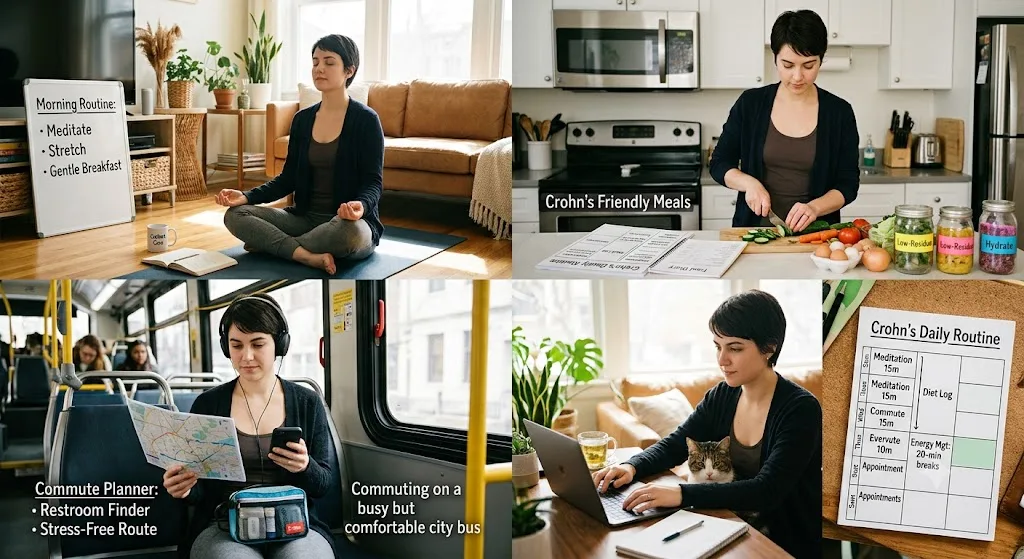
- Build in a 10–15 Minute Reflection Buffer: Instead of jumping out of bed the second your alarm goes off, take 10 to 15 minutes to collect your thoughts, mentally review your schedule, and set a calm tone for the morning. Knowing what to expect lowers anticipatory stress.
- Prep the Night Before: Set up your coffee maker, select your clothes, and handle small household chores before going to bed. Eliminating morning decisions prevents chaotic, stressful rushes.
2. Practice Mindful Nutrition & Individual Moderation
Dietary guidelines for Crohn’s disease can often feel contradictory. What bothers one person may be completely fine for another. Living well with IBD requires identifying your personal trigger foods while maintaining flexibility where possible.
Practical Steps:
- Identify Personal Sensitivity Patterns: Pay attention to how specific ingredients affect you rather than eliminating entire food groups unnecessarily. For example, many people with IBD find that swapping refined white sugar for raw cane sugar or using lactose-free/non-dairy alternatives reduces digestive distress.
- Hydration & Pacing: Keep water easily accessible throughout the day. If you enjoy morning coffee, pair it with adequate water and non-dairy options to minimize stomach irritation.
3. Plan Commutes & Outings for Peace of Mind
Anxiety about finding a restroom while driving or out in public is a major source of stress for anyone living with IBD. Anticipatory anxiety can actually worsen gut urgency, creating a frustrating feedback loop.
Practical Steps:
- Map Your Routes: Know where clean, accessible restrooms are located along your standard driving routes, work commutes, and travel paths.
- Keep an Emergency Kit: Keep a small, discreet kit in your vehicle or bag with essential supplies (wipes, spare clothing, hand sanitizer, medication). Simply knowing you are prepared eliminates the background worry.
4. Protect Your Evening Wind-Down & Sleep Quality
Restorative sleep is essential for immune function and tissue repair. Balancing work responsibilities, family commitments, and personal energy requires intentional pacing in the evening.
Practical Steps:
- Set a Firm Wind-Down Time: Aim to begin winding down around 9:00 PM or 9:30 PM. Turn off high-stress notifications, lower ambient lighting, and engage in relaxing activities like reading or listening to quiet music.
- Establish Consistent Sleep Windows: Going to bed and waking up at consistent times helps regulate your circadian rhythm, which plays a key role in gastrointestinal health and inflammation control.
Final Thoughts
Managing Crohn’s disease is an ongoing process of learning what works best for your body. By implementing structured morning routines, mapping out your daily travel, and listening to your body’s signals, you can take control of your day and maintain a better quality of life.
</div><span></span><div>Get Healthy Crohns on Google Play
Track food, sleep, meds and symptoms privately on your phone.
An iPhone version is currently in production.
Or get new articles and app updates by email:
I am not a doctor. This is not medical advice. Check with your care team before changing treatment, diet or supplements.
Keep reading

A New Year, a New You
As we begin a new year, it’s important to take proactive steps in managing Crohn’s disease. Reflecting on the past can provide valuable insights into what has and hasn’t worked for managing the…

Time Heals All Wounds (That’s What They Say)
There are many things the title of this post could apply to, but sometimes, no matter how much time you give something, it will never heal. It may lessen or slow down, but it will never go away. As…

Time Catches Us All!
So after 15 years of working on myself and taking care of myself, I find myself in the hospital twice in two weeks. But this time is different: I was hospitalized for 9 days due to emergency surgery.…