Crohn’s and Diet: What the Research Actually Says
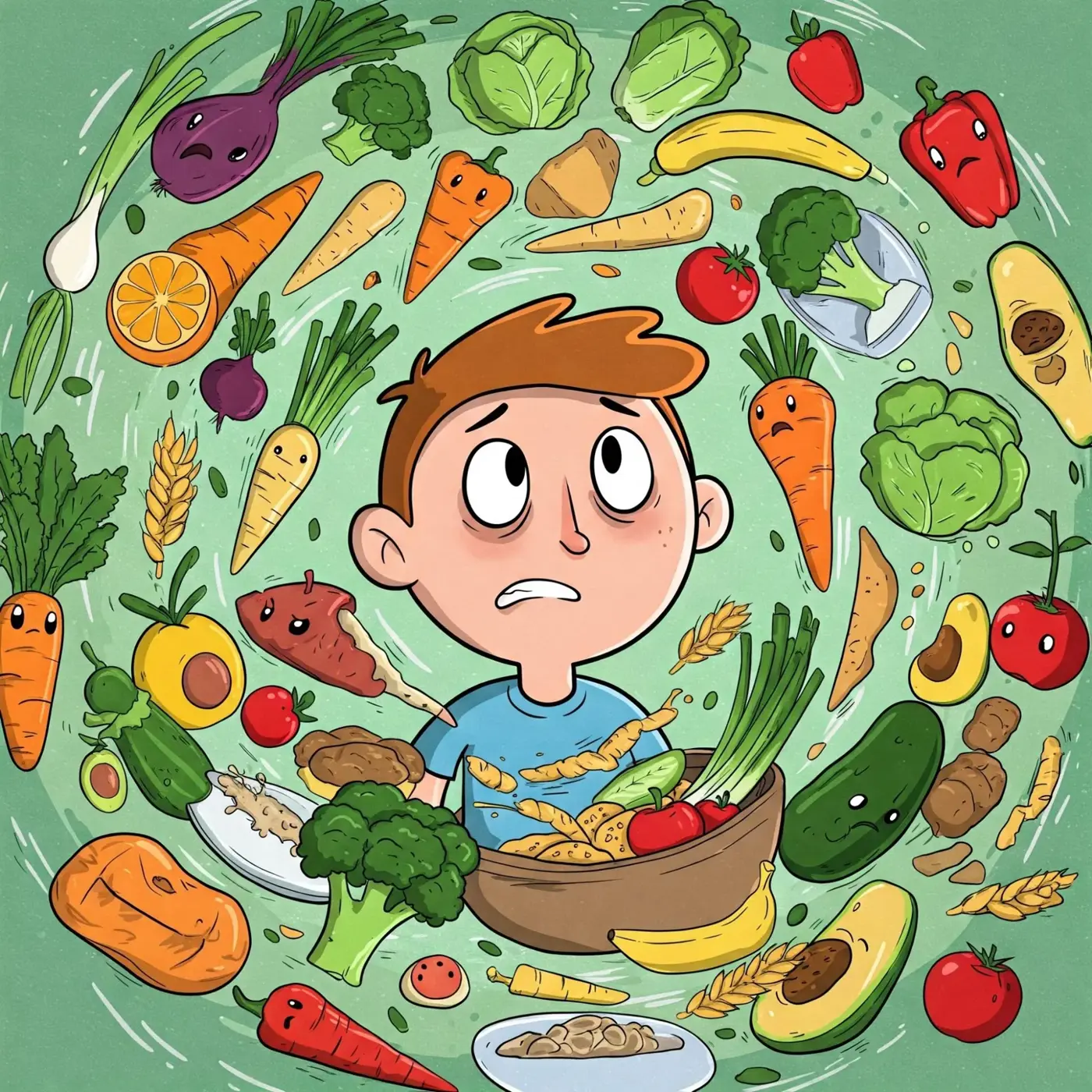
If you have Crohn’s, you have probably been asked, “So what diet are you on?” Diet advice online is a bit like getting directions from five different GPS apps. They are all confident, and none of them agree.
So I went looking for what the research says, and I tried to be honest about what it does not say. I am not a doctor or a dietitian, and this is not medical advice. Your care team knows your disease, your anatomy and your medications. Use this to ask better questions, not to replace them.
The short version
- No single diet is proven to treat Crohn’s for everyone. Both the Crohn’s & Colitis Foundation and the American Gastroenterological Association (AGA) say this in their own way.
- Food matters, but it is a teammate, not the quarterback. Medication does the heavy lifting for inflammation. Diet supports your nutrition, your symptoms and your overall health.
- What you eat in a flare is not what you eat in remission. More on that below.
The Mediterranean diet: boring, and that is a compliment
Think of the Mediterranean diet as the dependable family sedan. It is not exciting, but it gets you where you are going. It means lots of vegetables, fruit, olive oil, fish, and whole foods, and less ultra-processed food, added sugar and salt.
The AGA’s 2024 clinical practice update advises that, unless there is a reason not to, people with IBD should be encouraged to eat this way for their overall health. The key words are overall health. It is not shown to treat Crohn’s inflammation. The same update says no diet has consistently been shown to reduce the rate of flares in adults with IBD.
The Specific Carbohydrate Diet (SCD) versus Mediterranean
The SCD cuts grains, most dairy and most sugars. It has devoted fans, and some people feel better on it.
The best head-to-head test is the DINE-CD trial, published in Gastroenterology in 2021. It put 191 adults with mild to moderate Crohn’s on either the SCD or a Mediterranean diet.
- About 46.5% on the SCD and 43.5% on the Mediterranean diet had their symptoms settle by week 6. That is not a meaningful difference.
- Fewer people improved on the inflammation markers. Among people who started with a high stool inflammation marker (fecal calprotectin), about 35% on the SCD and 31% on the Mediterranean diet improved. On the blood test (CRP), very few improved in either group.
The honest takeaway: the SCD was not better than the Mediterranean diet. And symptoms getting better does not always mean the inflammation did.
Enteral nutrition and the Crohn’s Disease Exclusion Diet (CDED)
Exclusive enteral nutrition (EEN) means a nutrition formula as your only food for several weeks. For children whose growth is not finished, the European and pediatric guidelines (ECCO/ESPGHAN) name EEN as the first choice to bring on remission, because it has an excellent safety profile. Steroids are about as good at getting remission, but EEN is preferred. It is hard to do, which is why some people need a feeding tube.
The CDED is a whole-food plan, often paired with partial formula, that excludes certain foods such as processed meats and some additives. A 2019 trial in Gastroenterology compared it to EEN in children with mild to moderate Crohn’s. The CDED plus partial formula did at least as well, and more children kept their remission at week 12. The ESPEN nutrition guideline (2023) now discusses the CDED, and research in adults is still growing.
This is treatment-team territory. Both are done with a doctor and a dietitian, not as a do-it-yourself project.
Low FODMAP: a flashlight, not a cure
FODMAPs are a group of fermentable carbs. A low-FODMAP diet is a short-term experiment, a bit like turning off every light in the house to find the one flickering bulb. The trick is turning them back on one at a time.
It is best studied for irritable bowel syndrome. In Crohn’s, it may help with gas, bloating and other functional symptoms, but it does not treat inflammation. It also should not become a permanent lifestyle, because long-term restriction can shortchange your nutrition. If you try it, a dietitian can walk you through the elimination and the reintroduction.
Flare days versus good days
- During a flare, the Foundation suggests a lower-fiber approach, and often softer, cooked, peeled foods. If you have a stricture (a narrowed part of the gut), your team may ask you to limit high-fiber foods or even use a low-residue diet.
- In remission, the Foundation’s general advice is a high-fiber diet with as few restrictions as you can comfortably handle. Add things slowly, and pay attention to how your gut responds. Cooked and peeled fruits and vegetables are usually a gentler place to start.
This is why my 7-day dinner plan is built the way it is, and why the recipe book leans gentle.
The trap of cutting too much
When food has hurt you, it is tempting to drop anything that might be a problem. Do that for long enough and the menu shrinks until you are eating five things and still not sure why. Cutting out foods without a good reason can leave you short on nutrients. That is one reason the AGA says everyone with IBD should be checked for things like vitamin D and iron deficiency.
A short, honest checklist
- Ask your team whether you are in a flare, remission, or somewhere in between, and eat for that.
- Treat the Mediterranean pattern as a good long-term baseline, not a treatment.
- Be cautious about any diet that promises to cure Crohn’s. The research does not back that up.
- If you want to try an elimination diet, do it with a dietitian, and put the foods back in on purpose.
- Keep a simple food and symptom log. Your own patterns are the data that matter most. The Healthy Crohns app is built for exactly that.
What worked, or didn’t, for you? Send me your own food wins and flops on the contact page.
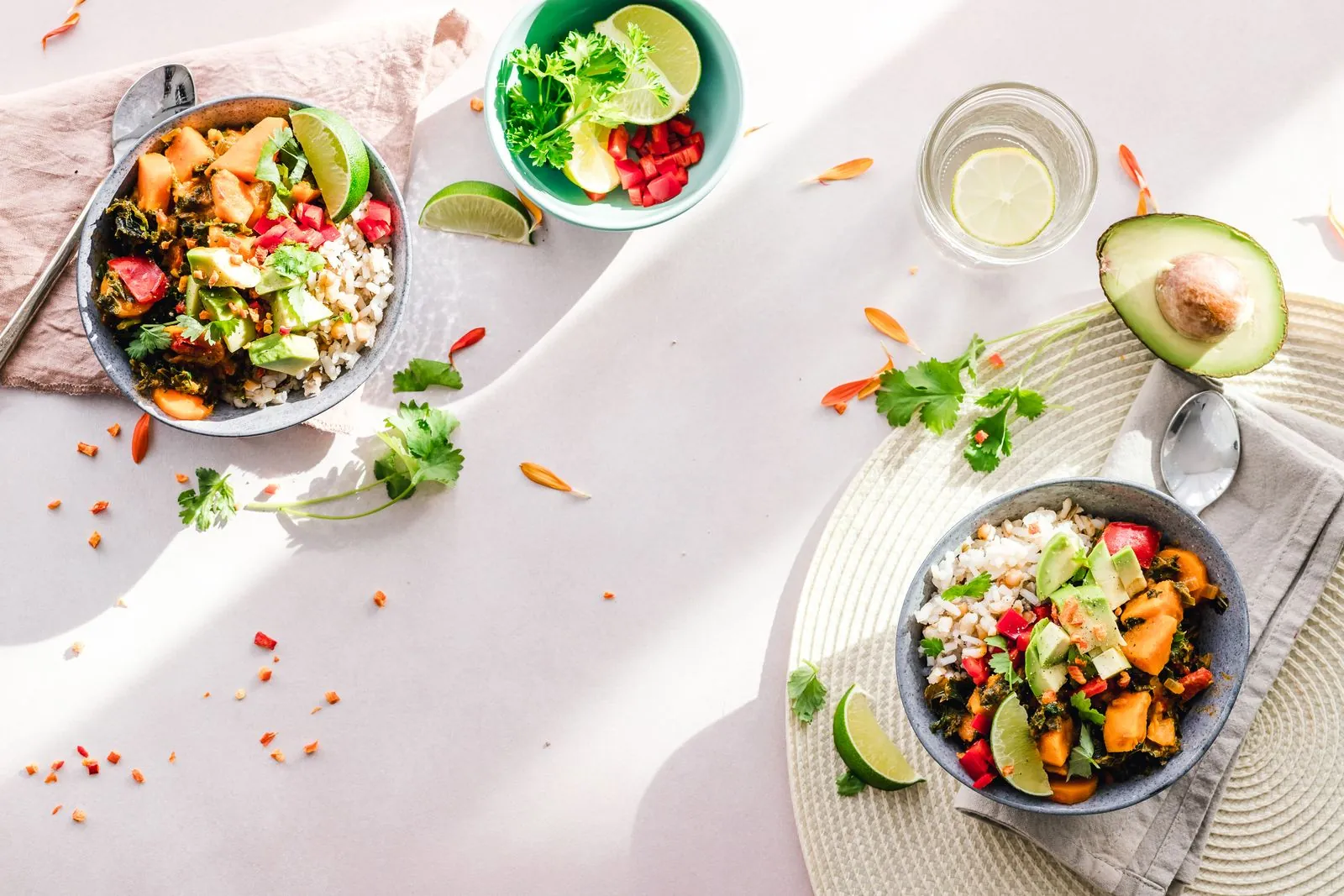
Cover photo by Ella Olsson on Pexels.
Sources
- Lewis et al., A Randomized Trial Comparing the Specific Carbohydrate Diet to a Mediterranean Diet in Adults With Crohn’s Disease, Gastroenterology, 2021
- Levine et al., Crohn’s disease exclusion diet plus partial enteral nutrition vs exclusive enteral nutrition in children, Gastroenterology, 2019
- AGA Clinical Practice Update on diet and nutritional therapies in IBD, summary, 2024
- ECCO/ESPGHAN, Consensus guidelines on the medical management of pediatric Crohn’s disease
- ESPEN, Guideline on clinical nutrition in inflammatory bowel disease, 2023
- Crohn’s & Colitis Foundation, What should I eat with Crohn’s or colitis? and the Sick Day Diet for IBD
Get Healthy Crohns on Google Play
Track food, sleep, meds and symptoms privately on your phone.
An iPhone version is currently in production.
Or get new articles and app updates by email:
I am not a doctor. This is not medical advice. Check with your care team before changing treatment, diet or supplements.