Living with IBD: New “DIY” Tools to Add to Your Treatment Toolkit
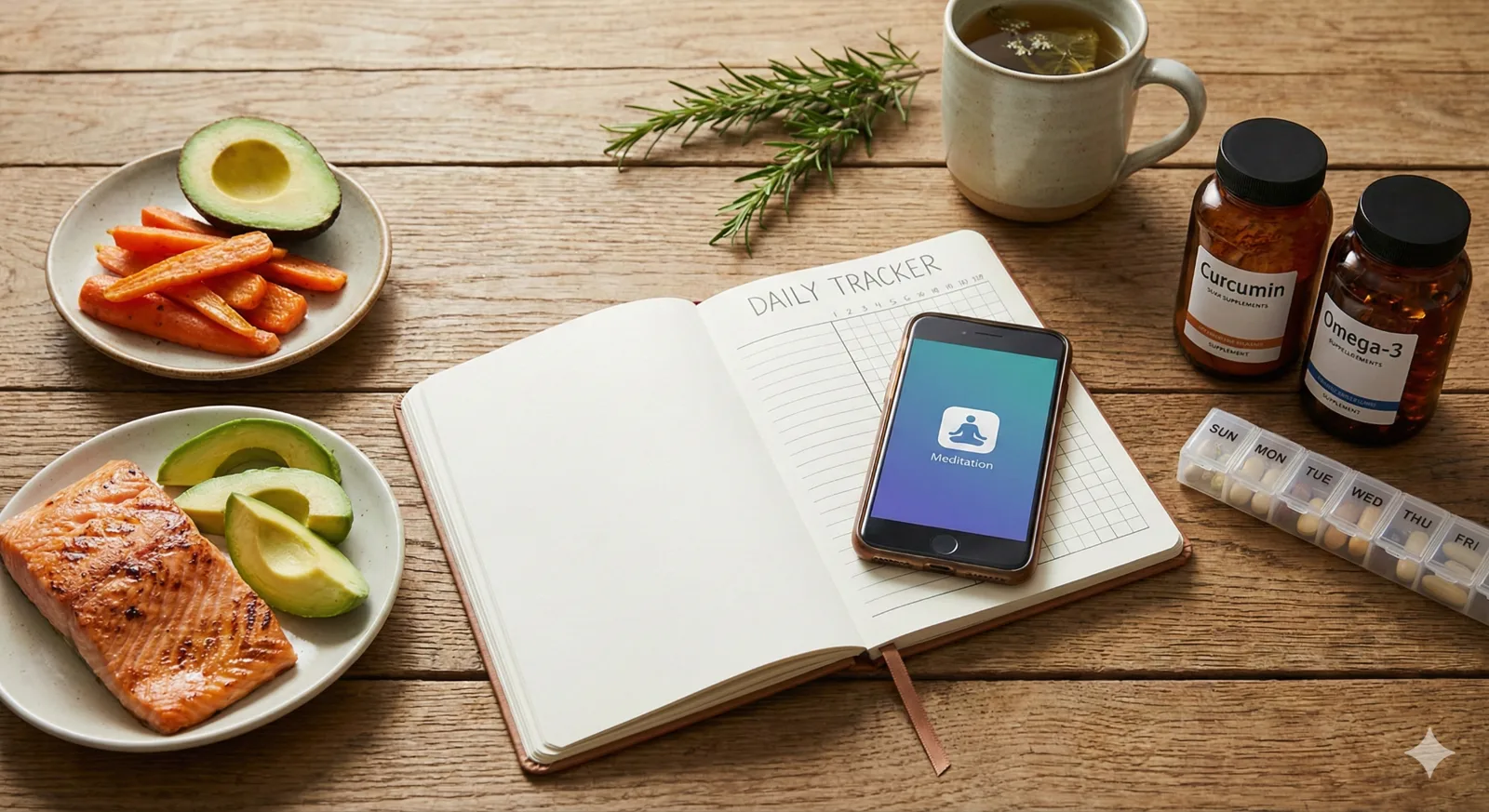
We often hear about the big medical breakthroughs for Crohn’s and colitis (like the new JAK inhibitors and biologics), but what about the things we can control at home?
Managing IBD is rarely a one-lane road. It’s often a combination of prescribed medication plus “DIY” lifestyle tweaks that help lower inflammation and manage symptoms. Here are some of the newer and time-tested complementary strategies gaining attention in the IBD community right now.
Medical disclaimer: I am not a doctor, and this post is not medical advice. I am simply sharing information for educational purposes. Every case of IBD is unique. Always consult your gastroenterologist or medical team before starting any new diet, supplement or therapy to ensure it is safe for your specific condition.
1. The “Gut-Directed” Mental Game 🧠
We now know the “gut-brain axis” is real. Stress doesn’t just feel bad; it can physically trigger gut inflammation.
- Gut-directed hypnotherapy: This isn’t stage magic. Apps like Nerva are using evidence-based hypnotherapy to help “retrain” the oversensitive communication between the gut and brain.
- Vagus nerve stimulation: Simple “DIY” techniques like deep diaphragmatic breathing (belly breathing), humming or cold water splashes on the face can stimulate the vagus nerve, which helps shift your body out of “fight or flight” mode and may reduce inflammation.
2. Dietary Frameworks (Beyond Just “Bland”) 🥑
While there is no single “IBD diet,” a few frameworks are showing promise in studies for helping maintain remission alongside meds:
- The Mediterranean diet: Recently highlighted in the DINE-CD study, this approach (rich in olive oil, fish and plants) is being recommended more often for mild-to-moderate Crohn’s.
- AIP (Autoimmune Protocol) and Paleo: Many patients find success with stricter elimination protocols like AIP or Paleo to identify specific food triggers. These focus on nutrient-dense, whole foods while removing potential inflammatory irritants like grains, dairy and processed sugar.
- SCD (Specific Carbohydrate Diet): A long-standing framework that eliminates complex carbs to starve “bad” gut bacteria.
3. The Supplement “Add-Ons” 💊
Always check these with your doctor, as some can interact with meds.
- Curcumin (turmeric): Research has shown that a bioavailable form of curcumin, when added to mesalamine therapy, may help induce and maintain remission in ulcerative colitis.
- Omega-3s: High-quality fish oil is often used to combat general inflammation.
- Vitamin D: There is a strong link between low vitamin D and active IBD. Keeping levels optimized is a simple “DIY” way to support your immune system.
4. Tech-Assisted Tracking 📱
“Recall bias” is real. We often forget what we ate two days before a flare.
- Symptom trackers: Using apps (like Cara Care or MyIBD Coach) to log food and stress levels can reveal patterns you might miss. It turns your daily life into data you can actually show your doctor.
The Bottom Line
The goal of these treatments isn’t to swap out your medicine, but to build a stronger foundation underneath it. If you’re interested in trying these, bring a list to your next GI appointment and ask: “Which of these would be safe for me to try?”
Get Healthy Crohns on Google Play
Track food, sleep, meds and symptoms privately on your phone.
An iPhone version is currently in production.
Or get new articles and app updates by email:
I am not a doctor. This is not medical advice. Check with your care team before changing treatment, diet or supplements.