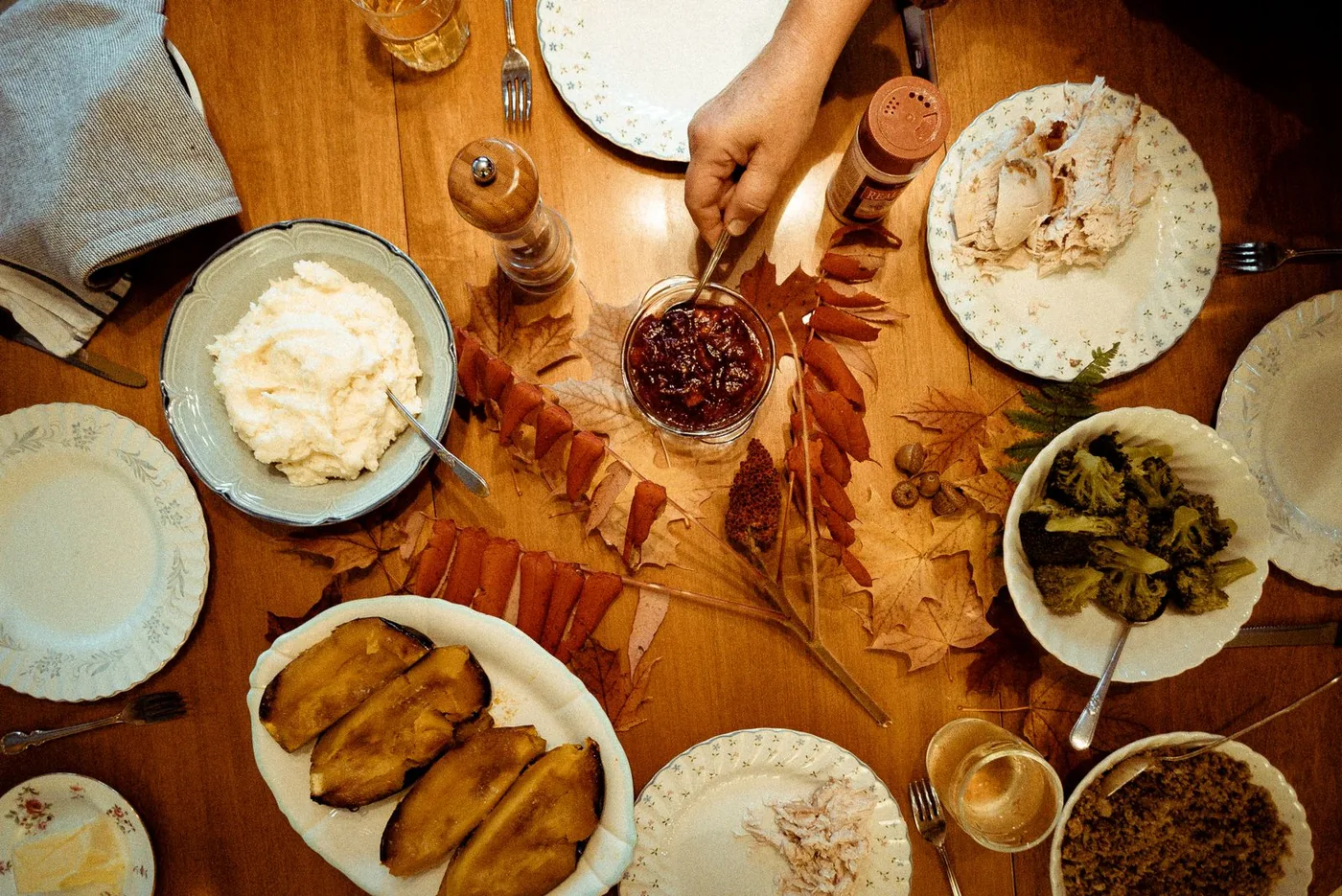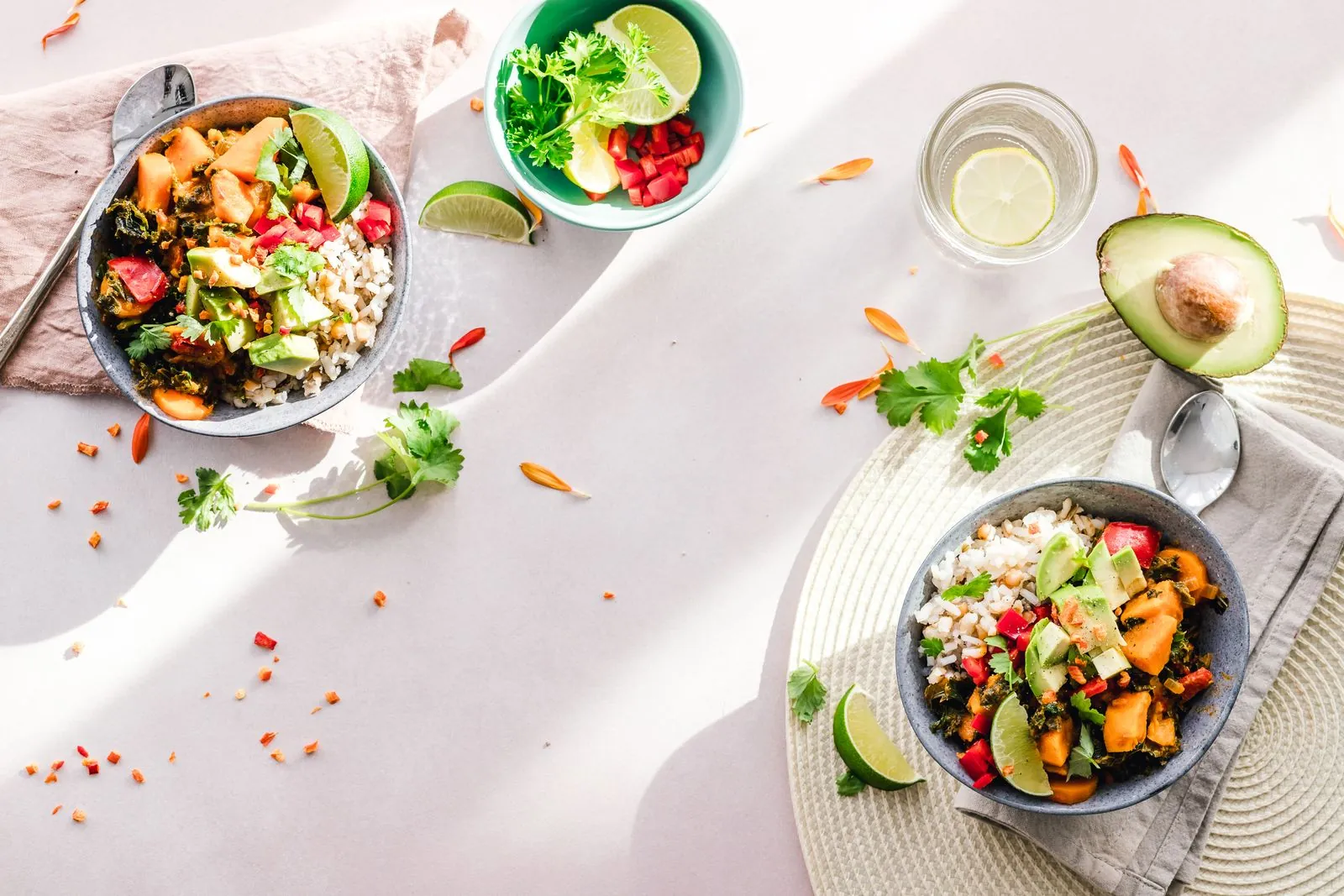
Eating Out With Crohn’s: Plain Tips for the Restaurant Table
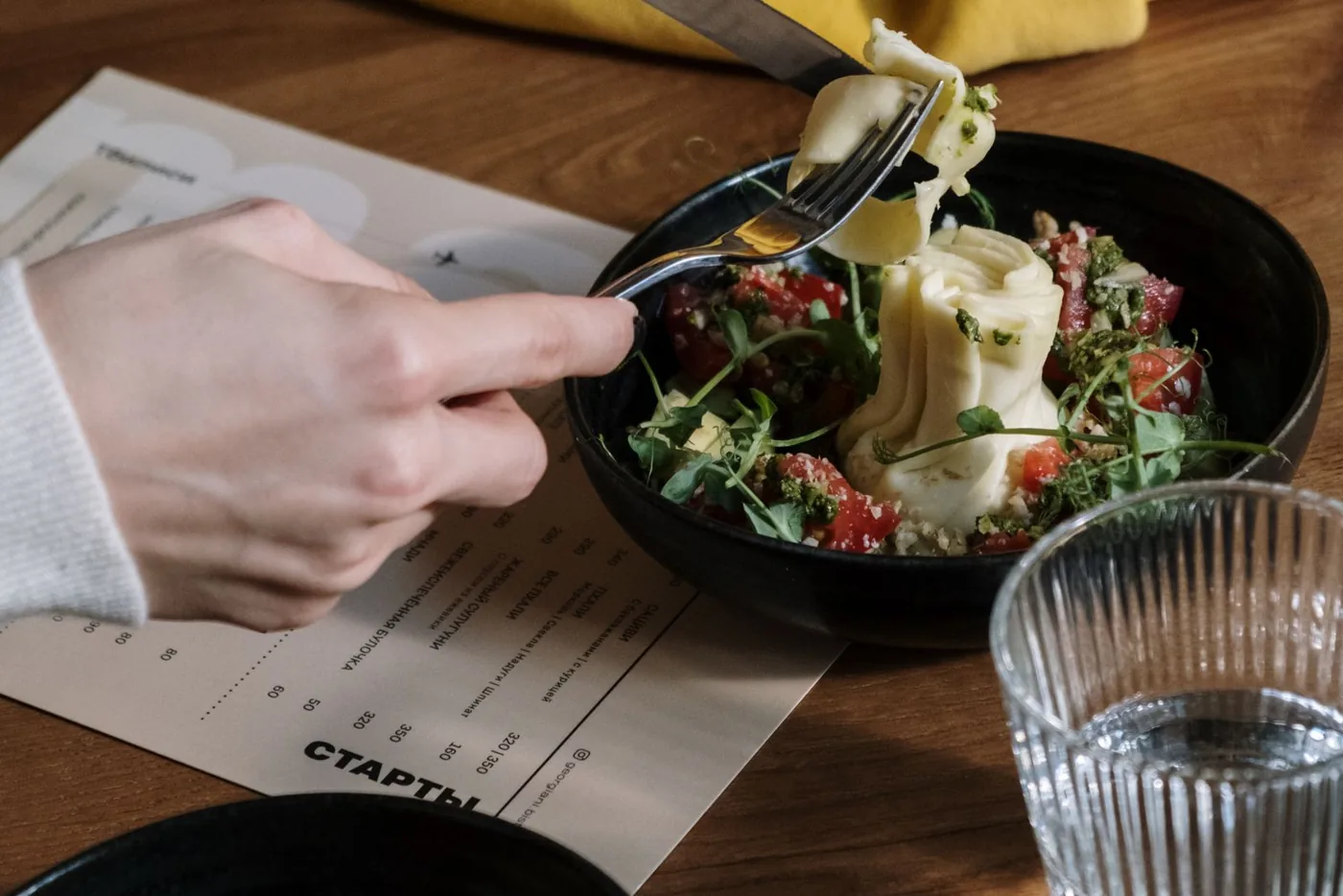
Last week I wrote about holiday meals, and a lot of the same rules work for a regular night out. Eating at a restaurant means giving up some control. You don’t know what is in the sauce, how long the oil has been hot or where the bathroom is until you walk in. So this week I read what the Crohn’s & Colitis Foundation and IBDPal say about dining out, and I want to share the parts that made sense to me. I am not a doctor, and every person is different, so use this as a place to start and not as a diet plan.
There is no one Crohn’s diet
The Foundation says it plainly: people with IBD have different experiences with food, and the same food does not affect everyone the same way. What bothers you can also change depending on whether you are in a flare or in remission. It calls a trigger food any food that causes unpleasant symptoms, and it points out that a trigger food does not always cause harm or inflammation in your body. That helps me think about a restaurant meal in a different way. One meal is one piece of information, not a verdict. The Foundation says what your diet looks like as a whole matters more than a single day or a single dinner.
It also says to work with your doctor or an IBD-focused dietitian on a diet that fits you, and I agree. A blog post cannot do that job.
Do a little homework before you go
The Foundation suggests making a plan for eating away from home, and the first step it names is to look over the menu ahead of time. Most restaurants post their menus online now, so you can pick two or three dishes before you ever sit down. IBDPal adds a few more ideas. Check where the restrooms are before you pick a place, and ask for a table near them if you can. A buffet or a kitchen that cooks with a lot of spice can be harder when your symptoms are active, and a simple grilled dish is a common fallback. If dinner is late, eat a small snack first so you are not starving when the food arrives.
I know where every bathroom stop is on my drive to work, so checking for the restroom before I commit to a restaurant makes sense to me. The Healthy Crohns app has a restroom access card and a button that opens a map search for bathrooms nearby.
What the trigger foods look like on a menu
The Foundation lists common trigger foods, and I think it helps to match them to the words you will see on a menu. Raw kale, apple skin and sunflower seeds are hard to digest, so watch the salad and the garnish. Brussels sprouts, cabbage, cauliflower and asparagus are high in fiber and can show up as a side. Milk, cream, ice cream and custard are high in lactose, so look at the soups, sauces and desserts. Butter, cheesy dishes and fried foods are high in fat. Sriracha and chili powder are the spicy ones. Sugar alcohols and artificial sweeteners such as sorbitol, xylitol and sucralose hide in sugar-free treats. Alcohol, caffeine and sugary drinks are on the list too.
Remember that this list is common, not universal. You may handle half of it fine, and that is good news. Your own food diary is what tells you which ones are yours.
How to ask, and what to say
The Foundation lists simple ways to cook food at home: boil, grill, roast, steam and poach. Those same words work when you read a menu or talk to a server. IBDPal suggests asking for sauces on the side and for vegetables cooked well done. It says plain rice, fish or chicken are common safe starters. Sharing plates helps keep portions small, and taking leftovers home is better than finishing a big plate that sends you running. It also says politeness does not mean eating everything you are served.
A short, normal sentence takes the sting out of asking. IBDPal gives one: “I am keeping it mild tonight for my stomach.” You can add something like, “Could I get the sauce on the side, and could the chicken be grilled and not fried?” Staff hear requests like this every day. You aren’t being difficult. You are being clear.
For drinks, IBDPal suggests sparkling water with lime as a quiet swap for a cocktail. It also says rich desserts and sugar alcohols bother some people, and that a fruit sorbet may be gentler. I’d call that a maybe and see how it works for you.
If you are in a flare, or have a stricture
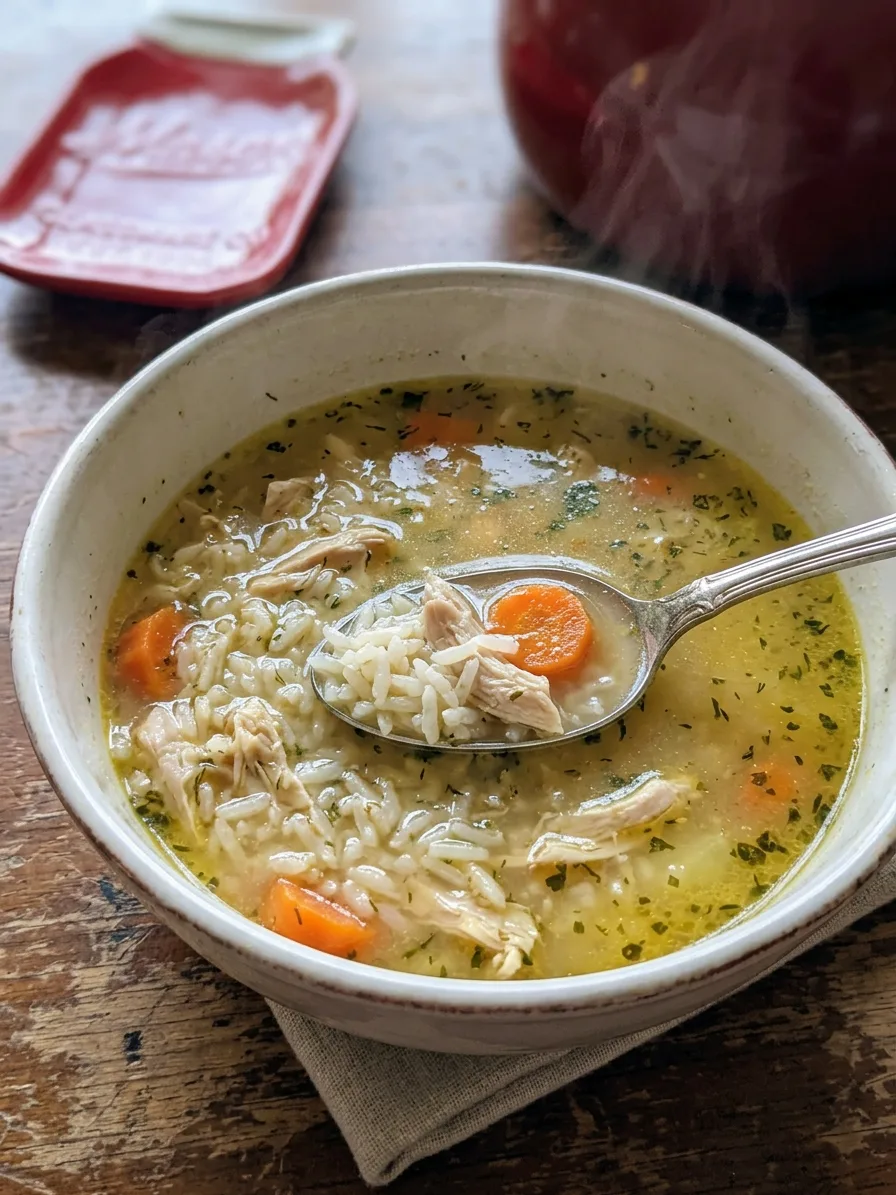
During a flare the Foundation tells people to resist strict diets they found on the internet or got from friends, unless a doctor or dietitian set it up with proper support. It says restrictive diets can lead to missing nutrients and unplanned weight loss, so keep restrictions to a minimum and eat protein and fluids. On a menu, that can look like a broth soup, a plain grilled protein, well-cooked vegetables and a drink of water. IBDPal says active fevers, heavy bleeding or dehydration are signs to rest at home and call your GI team, and not to head out for dinner.
If you have stricturing Crohn’s disease, which means a narrowed part of the bowel, the Foundation says some foods may be a problem depending on your symptoms. Its examples are mushrooms, popcorn, steak, dried meats or fruit, raw nuts and salads. Ask your doctor what applies to you, because that advice can be very different from what a friend with Crohn’s needs.
Be ready, and give yourself permission
IBDPal suggests carrying a small flare kit in your bag. You know best what goes in it. Eat smaller portions, chew well, and write down which meals lead to symptoms the next day. My printable Care Binder has a food and symptom diary page for that, and the app can log meals in a few taps. Bring the notes to your next visit. My GI appointment guide shows how.
If your symptoms flare in the middle of dinner, leave. IBDPal says to leave early without guilt, because your health comes before politeness. The Foundation also says that if you are in remission but still have symptoms, an IBD-focused dietitian may suggest a low-FODMAP diet if it fits you. I would only try that with a dietitian. If you want ideas for cooking at home, I have a whole recipe page of gentle meals.
The moral of the story is that eating out is still on the table. Plan a little, ask a little, and keep up the fight day by day. What is your go-to order when you eat out? Tell me on the contact page and I may share the best ones.
I am not a doctor, and this is not medical advice. Always talk with your care team about your own diet, medicine and treatment.
Cover photo by cottonbro studio on Pexels.
Sources
- Crohn’s & Colitis Foundation, What Should I Eat with IBD?, Diet & Nutrition. I read the page in November 2026. It cites the 2020 international dietary guidance from the International Organization for the Study of Inflammatory Bowel Diseases.
- IBDPal, Dining out with IBD, last reviewed August 2026. IBDPal is run by a separate nonprofit (MediVue) and uses patient-education content licensed from the Foundation. The Foundation does not endorse it.
Get Healthy Crohns on Google Play
Track food, sleep, meds and symptoms privately on your phone.
An iPhone version is currently in production.
Or get new articles and app updates by email:
I am not a doctor. This is not medical advice. Check with your care team before changing treatment, diet or supplements.