Thanksgiving With Crohn’s: What I Found in the Research
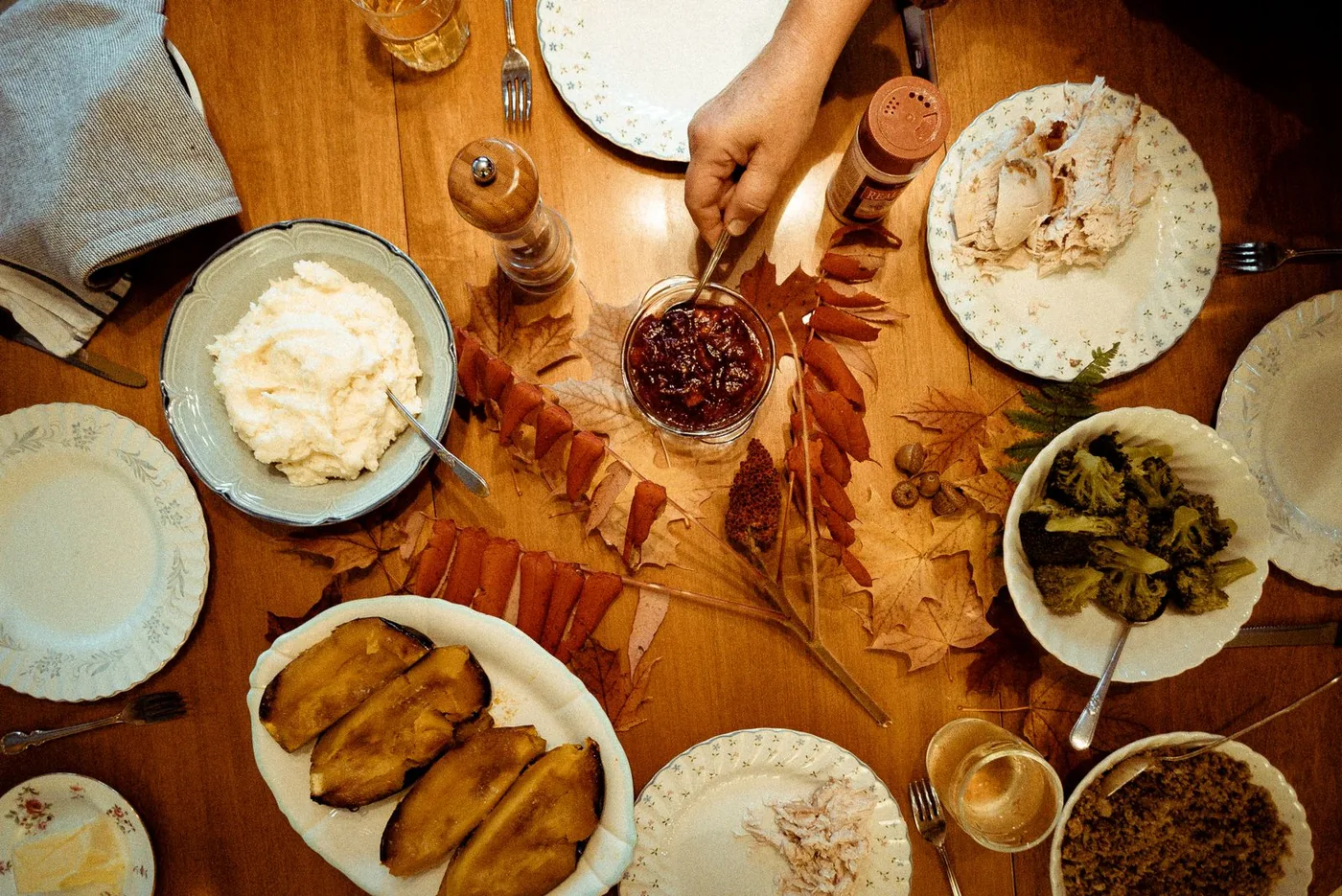
Thanksgiving is less than three weeks away, and I have already started thinking about the table. To be honest, a holiday meal can feel like a pop quiz you didn’t study for. Dishes are flying around, someone says “just try a little,” and your stomach has to answer fast. So this week I read three articles from the Crohn’s & Colitis Foundation to see what they say about holiday eating, and I want to pass along what I found. I am not a doctor, and every person is different, so use this to start a talk with your care team and not to replace one.
You do not have to skip the table
The first thing that stood out to me is that skipping the gathering isn’t the only way to avoid a flare. One Foundation article, written by a nurse, says that when you are in remission there is little evidence you need to cut out all fiber, nuts, seeds or raw fruits and vegetables. It also says that cutting out too much can backfire, because people who restrict a lot tend to overdo it later. A very strict diet for a long time can lead to missing nutrients too. The same article says no research blames food choices alone for a flare. I wish I had heard that years ago, because it takes some of the guilt off the plate.
There is one big exception. If you have a stricture, which is a narrow spot in the bowel, your care team may have given you a plan made just for you. That plan comes first. If you’re not sure whether it applies to you, ask your GI or your dietitian before the holiday, not on the day.
Two plans for one table
A Foundation dietitian, Nicole Lindel, talks about two cases. If you are stable or in remission, she says the holidays can be a good time to add some variety. A more varied diet with fiber supports a healthier gut, so she suggests adding small portions of new foods slowly. Her holiday plate has lean protein like turkey, chicken, tofu or fish, soft cooked vegetables like carrots, squash or green beans, whole grains if they sit well with you, and healthy fats like olive oil or avocado. For dessert she likes fruit that is peeled or cooked, if your gut wants it gentle.
If you are in a flare, she says it’s fine to change the plan. That can mean skipping spicy, greasy or fried food, choosing lower-fiber foods like refined grains and well-cooked, peeled fruits and vegetables, and eating smaller meals more often. Go easy on alcohol, fizzy drinks and caffeine. She also says flare advice is different for every person, so follow your own care team. I think of it as two plays, and you pick the one that fits today.
Swaps that still feel like Thanksgiving
A dietitian named Roman-Green shared these swaps in a Foundation webinar. Instead of prime rib or ham, try roasted turkey or chicken. For mashed, candied or scalloped potatoes, use olive oil in place of butter, roast the potatoes, or mash some butternut squash. For stuffing, make it gluten free if you need to, or use olive oil in place of butter. For green bean casserole, go with cooked green beans or roasted squash or carrots. For pumpkin pie, use dates or date syrup in place of sugar, or try an air fryer or vegan version.
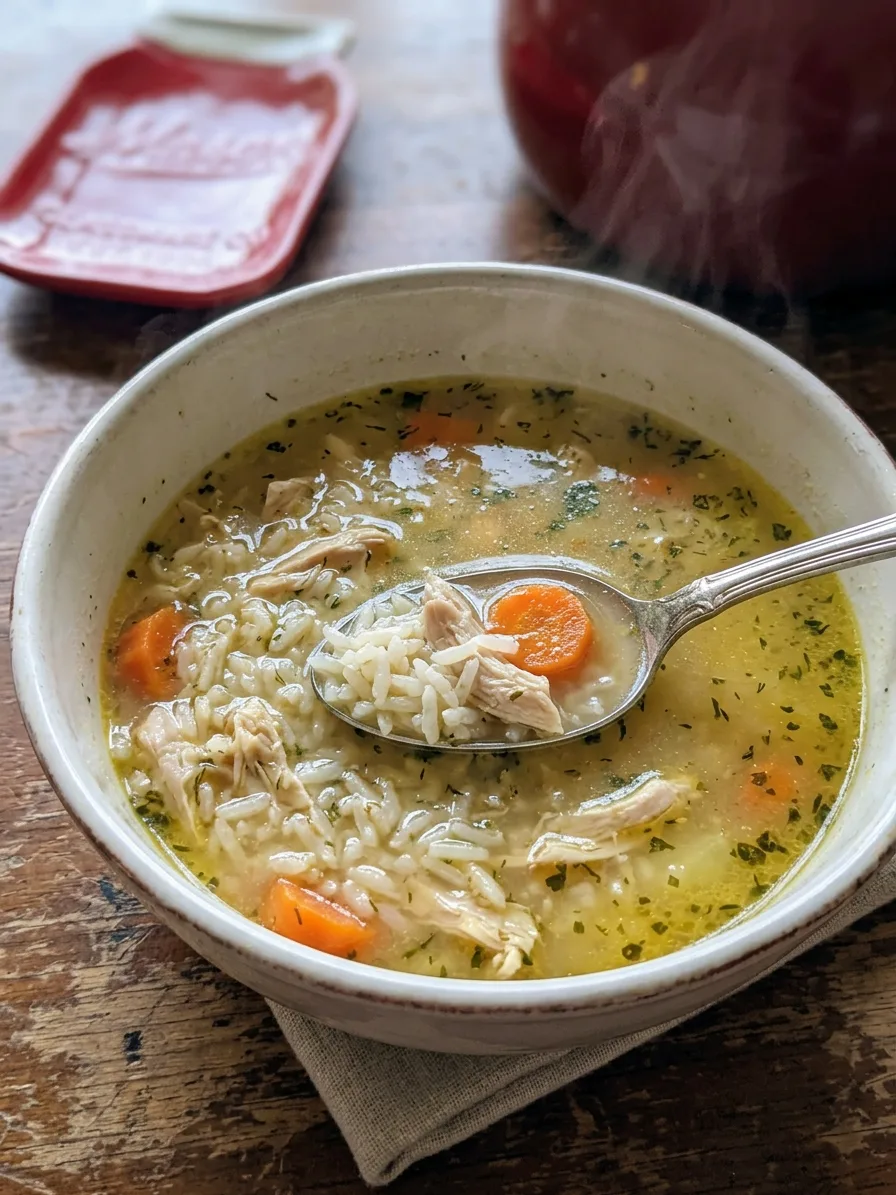
I have a few gentle recipes here that fit this menu: smooth mashed potatoes, simple broth gravy, silky butternut squash soup, sheet-pan chicken with peeled potatoes and carrots and baked cinnamon apple slices. You can find the rest on the recipe page.
At the party and on the road
The Foundation articles have a lot of simple ideas, and these are the ones I liked. Eat small meals and not one giant feast. Bring a dish you know you handle well, and tell your host ahead of time so nobody is surprised. If it is one of those days where people graze from morning to night, offer to bring an appetizer or a snack to share. Chew your food well, because it’s easier on your gut. Try a new food in a small bite and see how you feel.
One article also says to ask your care team about anti-diarrhea or lactase tablets around the holidays. That’s a question for your doctor, and not something to start on your own. And if you want full control of the menu, you could host.
Drinks need a plan too. The Foundation suggests alcohol-free cocktails, especially when the disease is active, and says alcohol-free beer, wine and more are easy to find now. Another Foundation page says alcohol affects each person with IBD differently, can irritate the lining of the gut, and may get in the way of some medicines. Its advice is to ask your doctor whether drinking is safe with your own medicine. So don’t guess at the party. Ask at your next visit, or send a message through your patient portal this week.
Water and stress matter too. The travel article calls dehydration and stress two big flare triggers on holiday trips. Keep a water bottle close, and give yourself a break when the room gets loud. If the season feels heavy for reasons that have nothing to do with food, my post on the gut-brain connection may help. And if you ever feel hopeless or think about hurting yourself, call or text 988 in the US, any time. If you are in danger right now, call 911.
If you are traveling, pack snacks you know work for you, like plain crackers or rice cakes, single-serve nut butter packets and an electrolyte drink. Pack extra medicine, keep it in your carry-on, and bring a note from your doctor if you need one. Write down the pharmacies and hospitals near where you will stay. I know every bathroom stop on my drive to work, and a holiday trip needs the same plan. The Healthy Crohns app has a restroom access card and a button that opens a map search for bathrooms nearby. My guide to traveling with Crohn’s has a longer packing list.
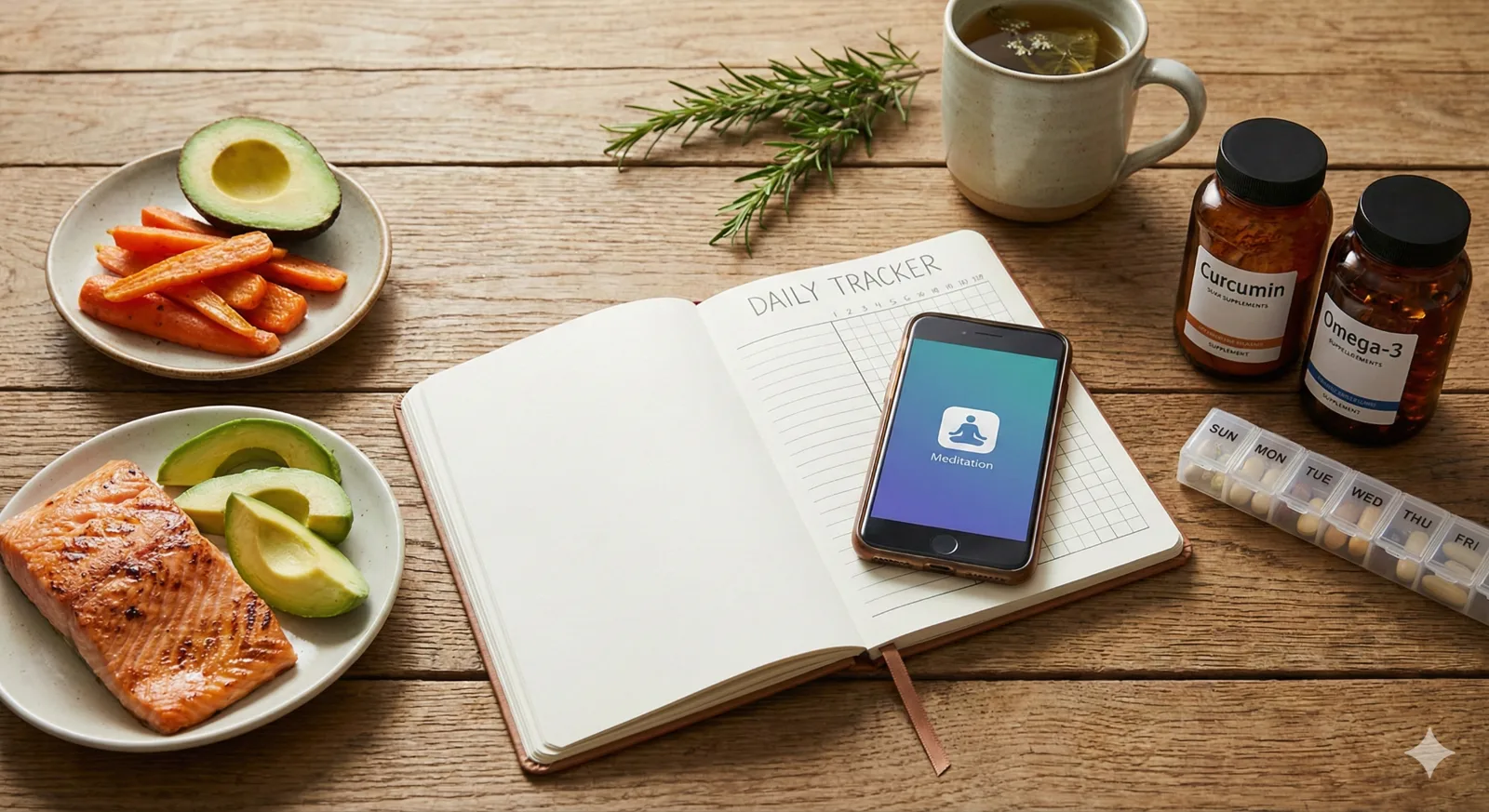
One more idea from the Foundation is to keep a food diary, so you learn which foods work for you and which do not. My printable Care Binder has a food and symptom diary page, and the app can log meals in a few taps. Bring it to your next visit. My GI appointment guide shows how.
If a flare shows up anyway
It can happen even with a good plan. Go back to the flare plan above, with smaller and plainer meals, plenty of fluids and no alcohol, and take your medicine as prescribed. Call your care team if things don’t settle, get worse, or you can’t keep fluids down. Call emergency services if it is an emergency. Then give yourself a break, because a holiday is one meal and one weekend, and your gut will still be there on Monday.
The moral of the story is that one plate won’t decide your year. Plan it, enjoy it, and keep up the fight day by day. How do you handle the holiday table? Tell me on the contact page and I may share the best tips.
I am not a doctor, and this is not medical advice. Always talk with your care team about your own diet, medicine and treatment.
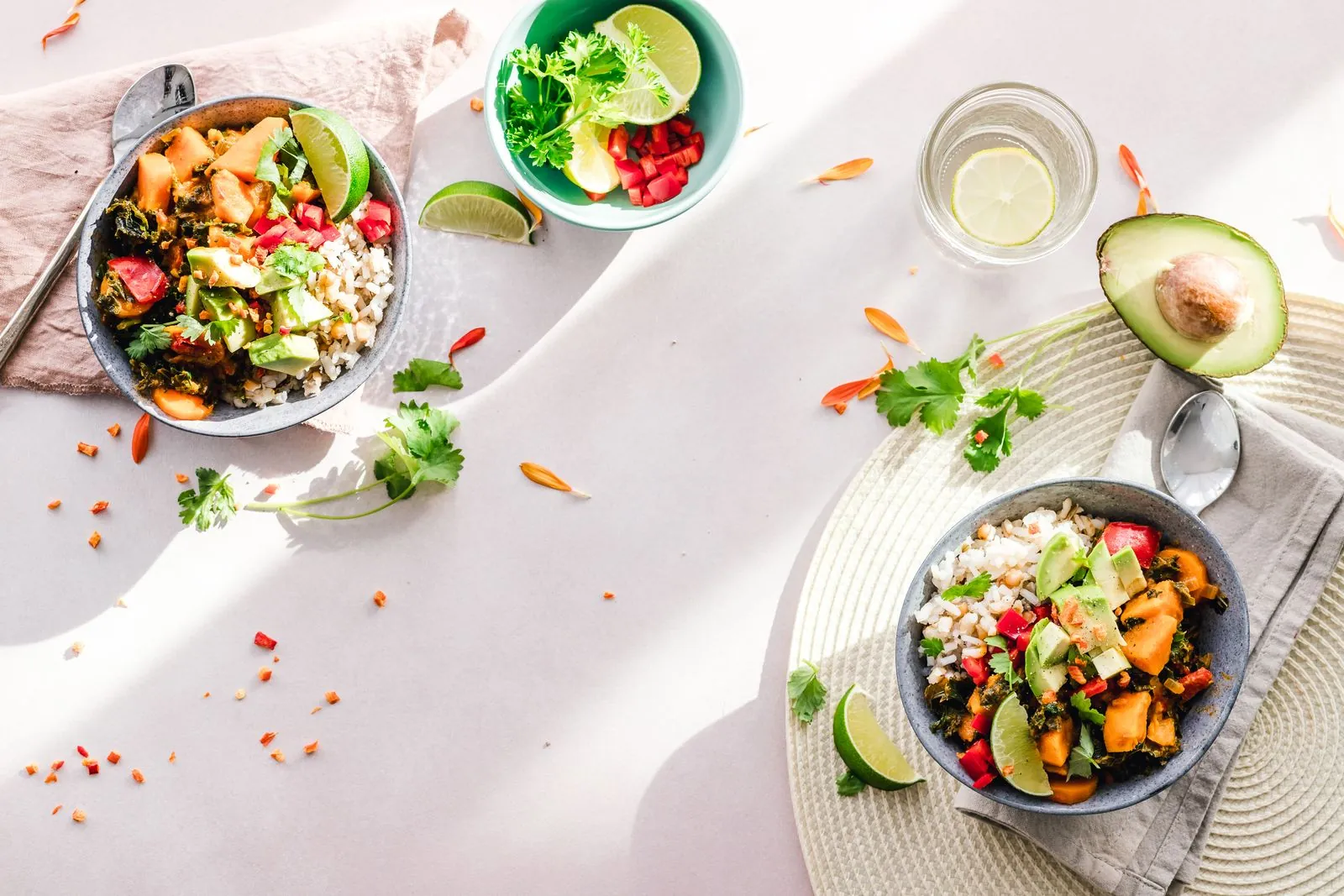
Cover photo by Wendy Wei on Pexels.
Sources
- Nicole Lindel, MS, RDN, Eating Well Over the Holidays with IBD, Crohn’s & Colitis Foundation, Rocky Mountain Chapter (December 2, 2025)
- Nicole Lindel, Registered Dietitian Nutritionist, Traveling with Crohn’s or Colitis: Holiday Eating Tips for a Happy Gut, Crohn’s & Colitis Foundation, Rocky Mountain Chapter (July 1, 2025)
- Allison Danzl, MSN, RN, Holidays Around the Corner: How to balance taking part in traditional meals but avoid an IBD flare, a document hosted on the Crohn’s & Colitis Foundation’s site (2021). It includes menu swaps from registered dietitian Roman-Green, from a November 2021 Foundation webinar.
- Crohn’s & Colitis Foundation, Substance Abuse (alcohol section), Campus Connection. It is written for college students, and the advice on alcohol and IBD medicine applies at any age.
- 988 Suicide & Crisis Lifeline (SAMHSA)
Get Healthy Crohns on Google Play
Track food, sleep, meds and symptoms privately on your phone.
An iPhone version is currently in production.
Or get new articles and app updates by email:
I am not a doctor. This is not medical advice. Check with your care team before changing treatment, diet or supplements.