Navigating Crohn’s: Eating Healthy When Your Gut Says “No Thanks”
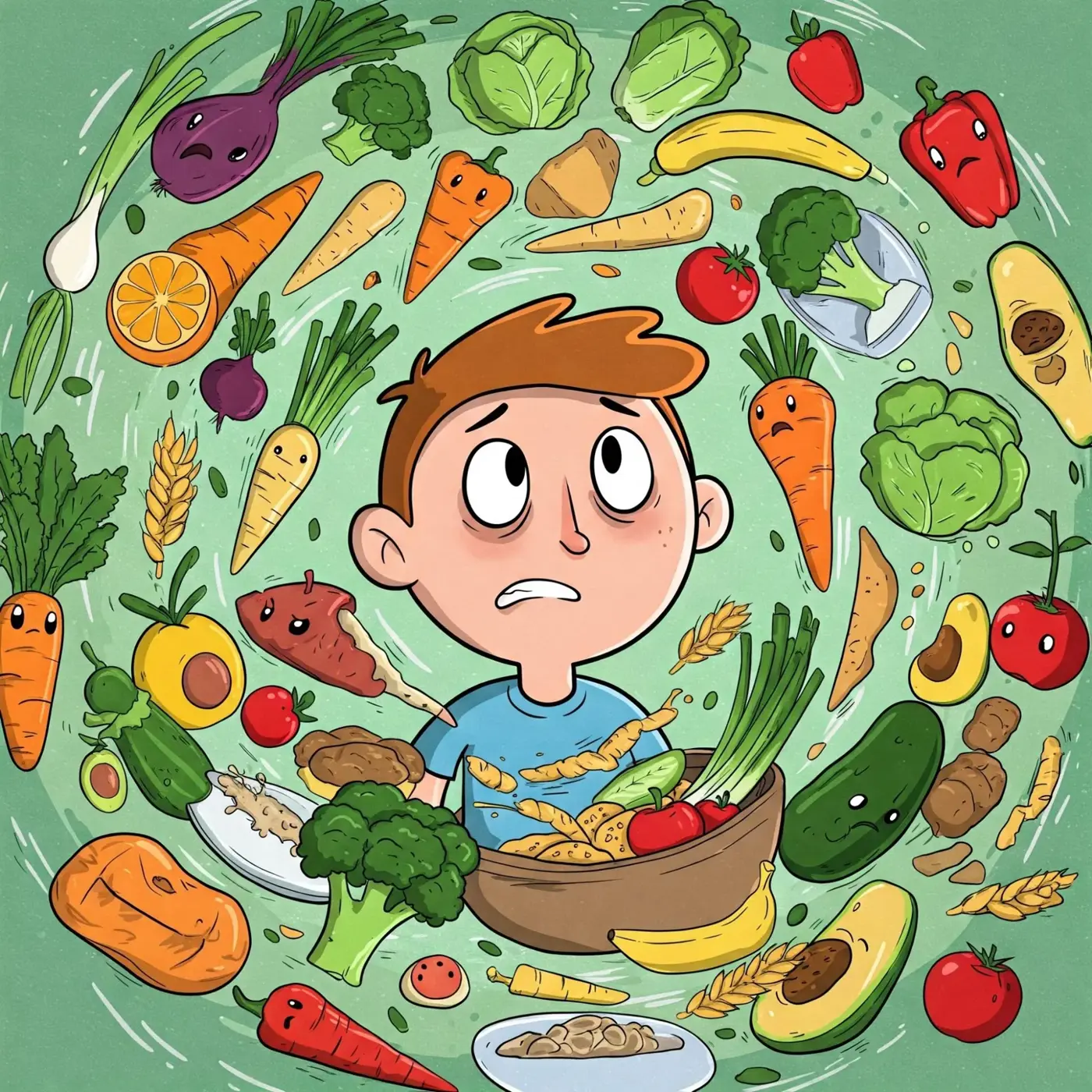
Living with Crohn’s disease can feel like a constant battle, especially when it comes to food. What works one day might trigger a flare-up the next. But focusing on healthy eating can significantly improve your quality of life and help manage symptoms. It’s not about restrictive diets, but rather about finding what works for you.
Understanding the Challenges
Crohn’s disease, a type of inflammatory bowel disease (IBD), causes inflammation in the digestive tract. This inflammation can lead to a variety of symptoms, including abdominal pain, diarrhea, fatigue and weight loss. Certain foods can exacerbate these symptoms, making eating a source of anxiety and discomfort.
The Importance of a Balanced Diet
While there’s no one-size-fits-all diet for Crohn’s, a balanced approach is crucial. This means focusing on nutrient-dense foods that support overall health and minimize inflammation.
Tips for Eating Healthy with Crohn’s
Identify trigger foods
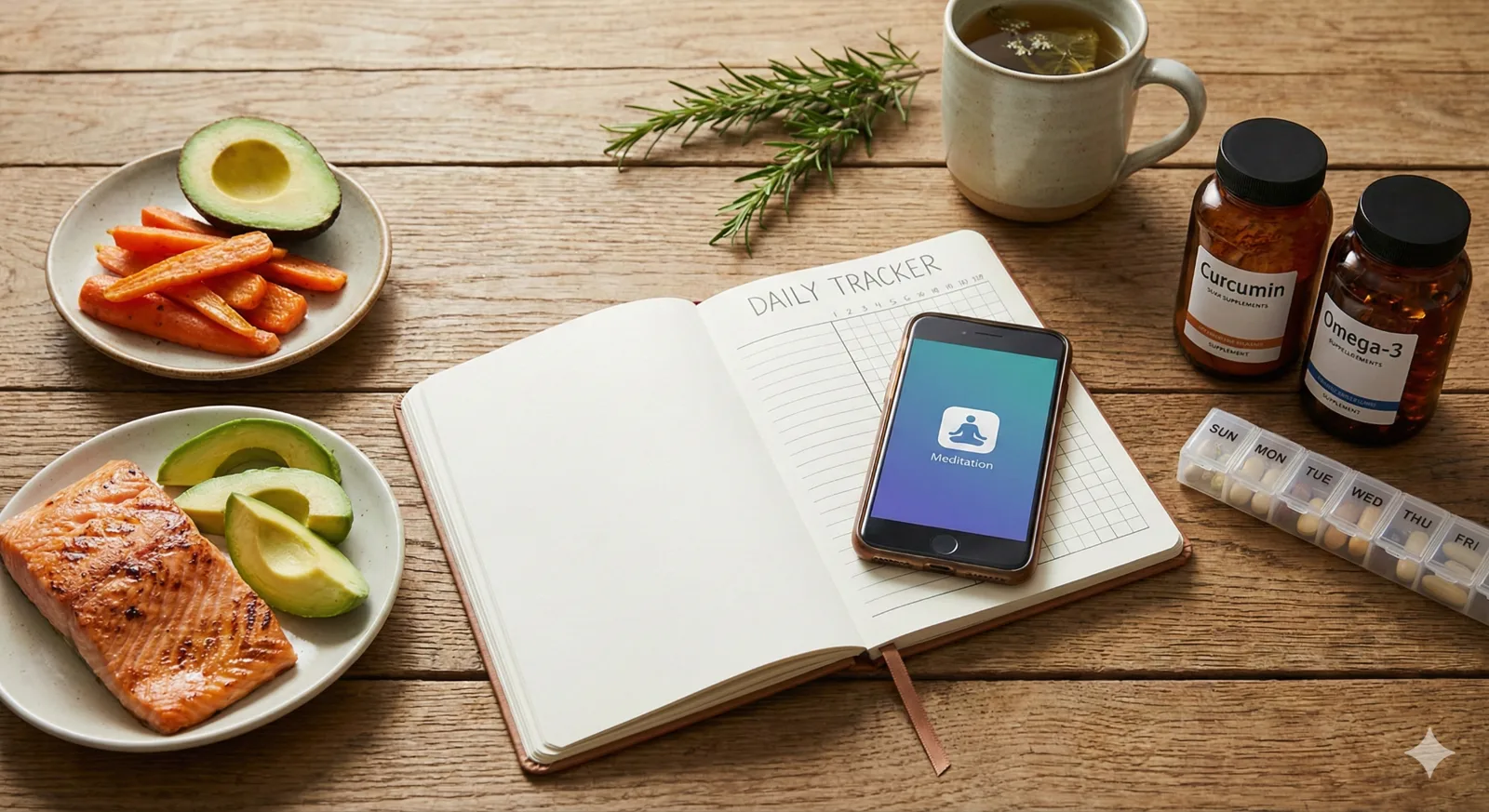
Keeping a food journal can help you pinpoint foods that worsen your symptoms. Common triggers include:
- High-fiber foods (during flares)
- Dairy products
- Spicy foods
- Fatty or fried foods
- Processed foods
- Sugary drinks
- Alcohol and caffeine
Focus on nutrient-dense foods
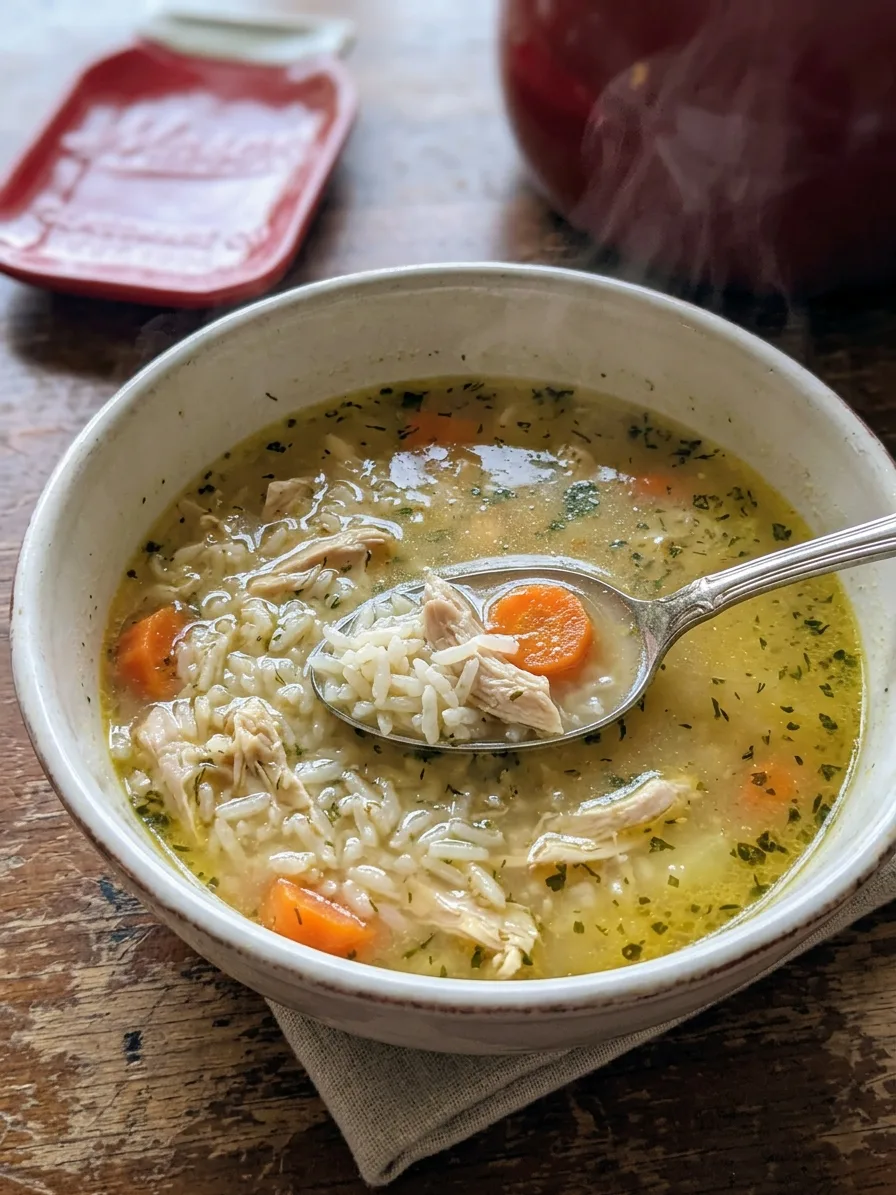
- Lean proteins: Chicken, fish, tofu and eggs are gentle on the digestive system and provide essential nutrients.
- Well-cooked vegetables: Cooked carrots, green beans and zucchini are easier to digest than raw vegetables.
- Ripe fruits: Bananas, cantaloupe and cooked applesauce are good options.
- Refined grains: White rice, sourdough bread (if tolerated) and oatmeal can provide energy without irritating the gut.
Eat smaller, more frequent meals
This can help prevent overwhelming the digestive system.
Stay hydrated
Drink plenty of water throughout the day, especially if you experience diarrhea.
Consider a low-residue diet (during flares)
This diet limits fiber, which can help reduce bowel movements and inflammation during a flare-up. However, it’s not meant for long-term use.
Supplementation
Crohn’s can interfere with nutrient absorption. Talk to your doctor about potential deficiencies and whether supplements are necessary (for example, vitamin B12, vitamin D or iron).
Cook at home
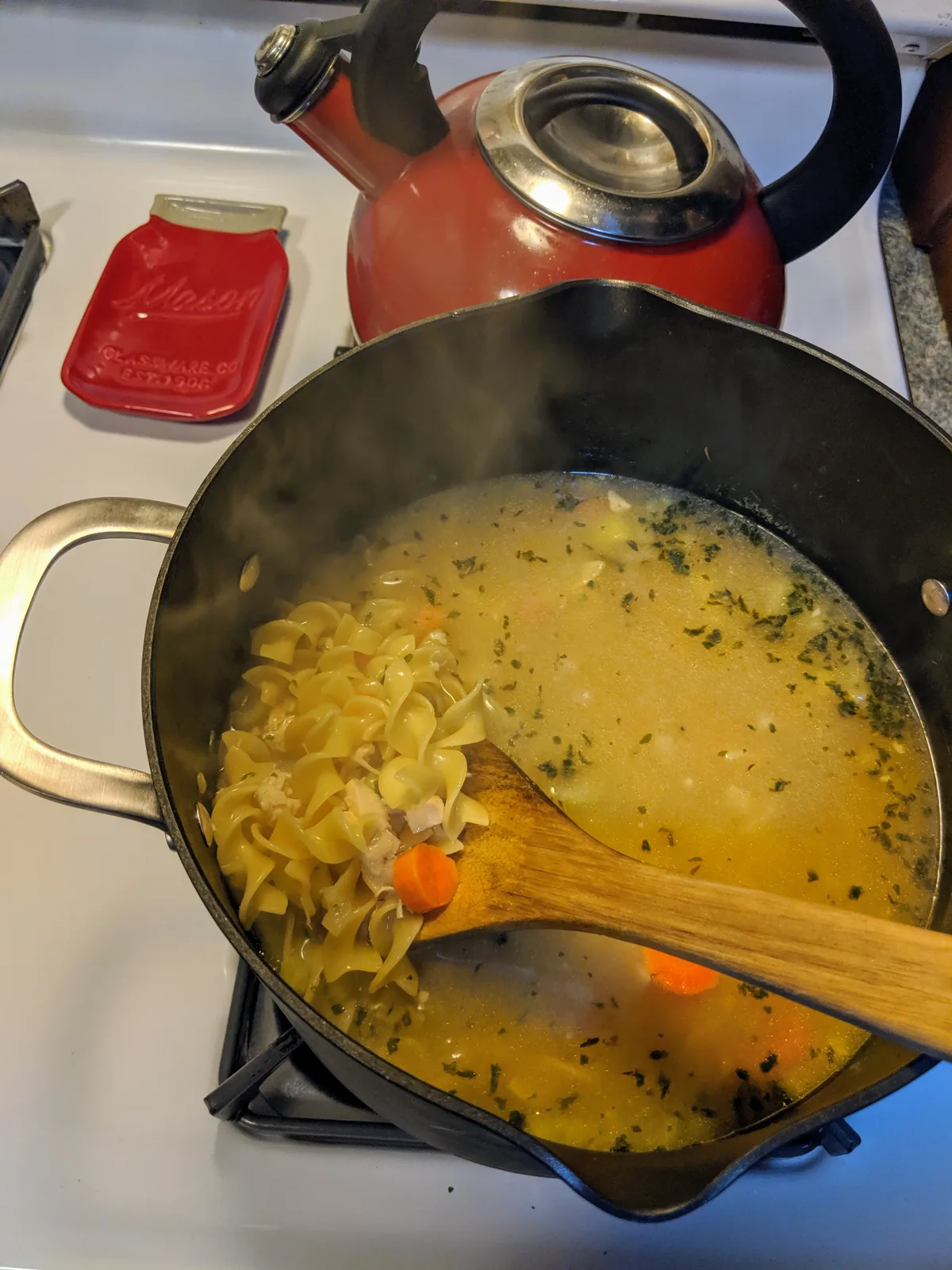
Preparing your own meals allows you to control the ingredients and cooking methods, ensuring they’re gentle on your gut.
Work with a registered dietitian
A dietitian specializing in IBD can create a personalized meal plan that meets your individual needs and preferences.
Listening to Your Body
The most important thing is to listen to your body. Pay attention to how different foods make you feel and adjust your diet accordingly. What works for one person with Crohn’s may not work for another.
Beyond Food: Stress Management
Stress can exacerbate Crohn’s symptoms. Incorporating stress-reducing activities like yoga, meditation or spending time in nature can be beneficial.
Finding Support
Living with Crohn’s can be challenging, but you’re not alone. Connect with support groups or online communities to share experiences and find encouragement.
What are your favorite go-to meals when your Crohn’s is acting up? Share your tips with me on the contact page.
Medical disclaimer: This post is for informational purposes only and does not constitute medical advice. Always consult your healthcare provider or a registered dietitian before making any changes to your diet or treatment plan.
Get Healthy Crohns on Google Play
Track food, sleep, meds and symptoms privately on your phone.
An iPhone version is currently in production.
Or get new articles and app updates by email:
I am not a doctor. This is not medical advice. Check with your care team before changing treatment, diet or supplements.