Crohn’s and Fatigue: Understanding the Exhaustion
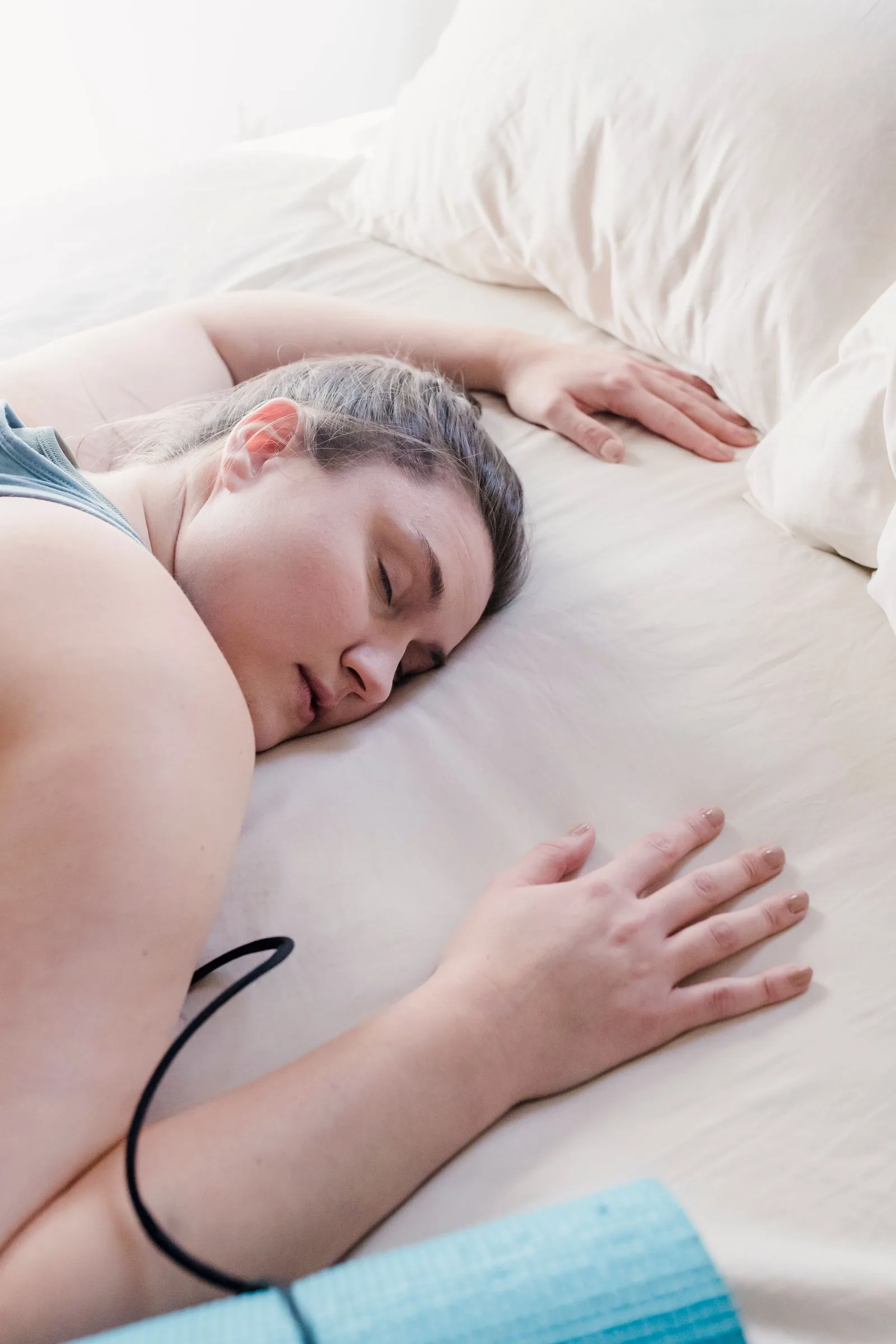
I used to think I just needed more sleep. Then I would get nine hours and still feel like I had been run over. If you have Crohn’s, you probably know exactly what I mean, and you have probably had someone tell you to “just rest more,” which never quite covers it.
I am not a doctor, and this is not medical advice. I read through what the Crohn’s & Colitis Foundation, Crohn’s & Colitis UK, and a few research reviews say about fatigue, and I want to share it here, along with what has worked for me.
You are not imagining it
Fatigue is one of the most common things people with Crohn’s deal with, and it is not the same thing as being sleepy. It is a heavy, whole-body tiredness that rest does not fully fix. The Crohn’s & Colitis Foundation says it affects nearly 80% of people during an active flare, and about half of people still feel it even in remission, when the disease itself has gone quiet.
For me, the hardest part was explaining it to the people who love me. I remember trying to tell my wife that this was not the same as being tired after a long day at work. It felt more like my battery would not recharge, no matter how long I left it plugged in. Every person is different, and your version of it may feel nothing like mine, but if you have ever gotten strange looks for saying you are exhausted after doing “nothing all day,” you are not alone and you are not making it up.
Why Crohn’s wears you out
There is rarely just one cause, which is part of why it is so hard to fix. A few things tend to overlap.
Active inflammation is a big one. Fighting inflammation takes real energy, the same way your body feels drained when you are fighting off the flu. Anemia is another. Blood loss in the gut, or trouble absorbing iron, vitamin B12, and folate, means your body cannot make the red blood cells it needs to carry oxygen around, and you feel it as tiredness. Some of the medications that treat Crohn’s, like certain immune-suppressing drugs, antidepressants, or pain medicine, list fatigue as a side effect of their own. And poor sleep, often from nighttime symptoms or anxiety, stacks on top of all of it.
I have found that stress and poor sleep feed each other for me. A bad night makes the next day harder, and a hard day makes it tougher to sleep. Once I saw that pattern, I stopped blaming myself for one bad night and started looking at the whole week.
What has actually helped me
There is no single fix, but a few things have made a real difference.
I started keeping a simple symptom diary, writing down my energy level alongside my meals, stress, and sleep each day. It helped me see patterns I had missed before, like a rough patch at work lining up with worse fatigue a day or two later. Some clinics use a more formal version of this called a fatigue scale, but for me, a plain notebook did the job just as well, and it gave my doctor something real to look at instead of just “I’m tired.”
Pacing matters too. Breaking a big task into smaller pieces, and doing the most important one first, means I get the important stuff done without burning out by noon. This is not about doing less. It is about spending the energy I have on purpose instead of all at once.
Gentle movement helps more than it seems like it should. Even a short, ten-minute walk on a low-energy day can make a real difference for me later on. I go slowly and listen to my body, and some days ten minutes is the whole workout, and that is fine.
Sleep habits matter more than I gave them credit for. Cutting off caffeine by early afternoon, putting my phone away before bed, and keeping roughly the same sleep schedule even on weekends all helped more than I expected.
And do not skip the basics with your doctor. Ask directly for blood work to check your iron, B12, and folate. Anemia and low iron are some of the most treatable causes of fatigue, and they get missed when nobody asks.
When it might mean more than just a tired day
Fatigue can also be an early warning sign. I have learned that when mine suddenly spikes for no clear reason, it is usually the first sign I need to slow down and check in with my GI doctor before things get worse. A sudden change in your energy is worth a phone call, not something to push through.
It can affect your work life too. If fatigue is making your job harder, it is worth having an honest conversation with your manager or HR about it. Fatigue is a real, documented part of Crohn’s disease, not a lack of effort, and most employers can make small adjustments once they understand that.
Stress, low mood, and fatigue are also closely tied together, and one can feed the other. Things like talking with a therapist, meditation, or cognitive behavioral therapy have helped a lot of people break that cycle. I wrote more about the connection between your gut and your mind in Crohn’s and Your Mind: The Gut-Brain Connection, if you want to go deeper on that side of it.
If you are feeling hopeless
If you ever feel hopeless, or think about hurting yourself, please reach out right now. In the US, you can call or text 988 (the 988 Suicide & Crisis Lifeline) any time, day or night, for free. If you are in immediate danger, call 911. You deserve help, and it works.
The moral of the story
Fatigue with Crohn’s is real, it has real causes, and it is worth bringing up at every single appointment, even if you have mentioned it before. Keep stressing how much it affects your life until someone actually looks into why. For me, tracking it, pacing myself, and asking for the right blood work turned it from a mystery into something I could actually work on.
How do you manage the tired days? I would love to hear what works for you on the contact page.
Cover photo by Tim Samuel on Pexels.
Sources
- Crohn’s & Colitis Foundation, IBD and Fatigue
- Crohn’s & Colitis Foundation, Managing Fatigue with IBD
- Crohn’s & Colitis UK, Tiredness and Fatigue in IBD
- NHS inform, Crohn’s disease
- Cochrane Database of Systematic Reviews, Interventions for fatigue in inflammatory bowel disease
- 988 Suicide & Crisis Lifeline (SAMHSA)
Get Healthy Crohns on Google Play
Track food, sleep, meds and symptoms privately on your phone.
An iPhone version is currently in production.
Or get new articles and app updates by email:
I am not a doctor. This is not medical advice. Check with your care team before changing treatment, diet or supplements.