Vaccines and Crohn’s: Flu Season and Beyond
It is that time of year again, when the air turns crisp and everyone starts talking about the flu shot. When you are living with Crohn’s, staying on top of vaccines can feel like one more job on a list that is already too long. For me, managing IBD means keeping track of a lot of moving parts, and vaccines have become a normal part of that routine.
I am not an expert, and I am not here to tell you exactly what to do. Every person is different, and no single plan works for everyone. The only side effect I have ever had from a vaccine was getting my flu shot and my COVID shot on the same day, which left me drained for a couple of days. Every other shot I have gotten had no side effects at all.
Why vaccines matter more with IBD
People with Crohn’s, especially those of us on medication that calms the immune system down, can be at higher risk for certain infections, and those infections can sometimes trigger a flare. That is why staying current on recommended vaccines is part of taking care of my overall health, not just an extra errand.
On medication that suppresses the immune system, your body may not respond to germs quite the way it used to. That makes vaccines even more worth prioritizing, since they help your immune system recognize and defend against things you run into every day. It is one more appointment to schedule, but for me the trade-off has been worth it.
The flu shot, every year
Getting the flu is rough for anyone, and for people with Crohn’s it can be harder to shake off and can sometimes trigger a flare on top of it. The standard advice is to get the inactivated flu vaccine every year, and to skip the live nasal spray version if you are on medication that modifies your immune system. If you are 65 or older, or on a certain kind of biologic, your doctor might suggest a higher dose version to give your immune system a bit more help.
When I see my doctor for my flu shot, I usually ask what else is coming up that season, so I am not just checking one box and missing another.
COVID-19 vaccines
Staying current on COVID vaccines is still part of the general public health guidance. Whenever I run into conflicting information about any of this, I check a few different sources myself, and if I still have questions, I call my gastroenterologist. From what I have read, the approved COVID vaccines are considered safe for people with IBD, regardless of which treatment you are on, but it is still worth talking with your care team about the timing that fits your specific medications.
A few more to ask about
Depending on your age and your medications, there are a handful of other vaccines worth bringing up at your next appointment.
If you are on long-term immune suppression, or 50 or older, a pneumococcal vaccine may be recommended. There are a few versions, and which one and when depends on what you have already had and your current health, so this is really a conversation for your doctor rather than something to figure out on your own.
Shingles can be genuinely painful, and the risk goes up as we get older or when the immune system is suppressed. The current vaccine, given in two doses, is recommended for adults 50 and older, and for younger adults on immune suppressing medication. It does not contain a live virus.
Hepatitis B vaccination is generally recommended for most adults, and especially worth discussing if you are on long-term immunosuppression for your Crohn’s. Your doctor may want to check your existing immunity before deciding whether you need it.
A few things worth knowing
If you are on medication that suppresses your immune system, it is best to avoid live vaccines, since your immune system may not respond to them the way it is supposed to. When possible, the best time to get most non-live vaccines is before starting a new immune suppressing medication, so your body has a chance to build a response first. I know that is not always realistic. Sometimes a medication starts on short notice, and that is fine. Just talk to your care team about timing, both before and after you start something new.
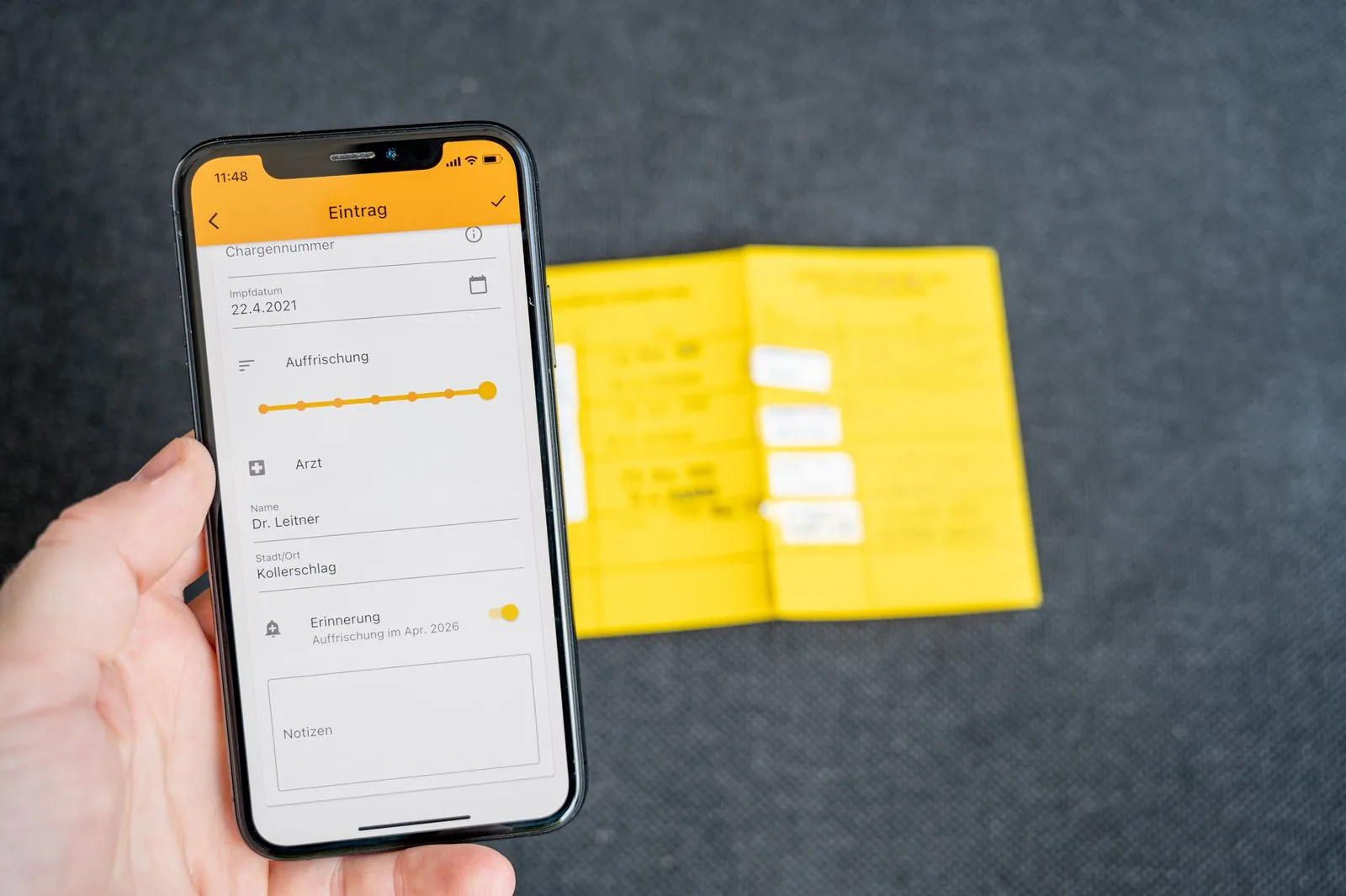
I have also learned it helps to keep my own copy of my vaccine history, whether that is a paper card or something saved on my phone. It has saved me time more than once when I saw a new provider or a specialist who did not have my full file. If keeping track feels like a lot, a quick look at a basic nutrition and treatment overview can help you see how vaccines fit into the bigger picture of managing Crohn’s day to day.
The moral of the story
None of this replaces a conversation with your own care team. They know your history, your medications, and your health better than anyone else, including me. For me, treating vaccines as one more routine part of managing Crohn’s, instead of something extra to dread, has made the whole thing a lot easier to stay on top of. Talk with your doctor before you change anything about your own routine. My healthy start is today. How about yours?
Cover photo by Fabian Hurnaus on Pexels.
Sources
Get Healthy Crohns on Google Play
Track food, sleep, meds and symptoms privately on your phone.
An iPhone version is currently in production.
Or get new articles and app updates by email:
I am not a doctor. This is not medical advice. Check with your care team before changing treatment, diet or supplements.